
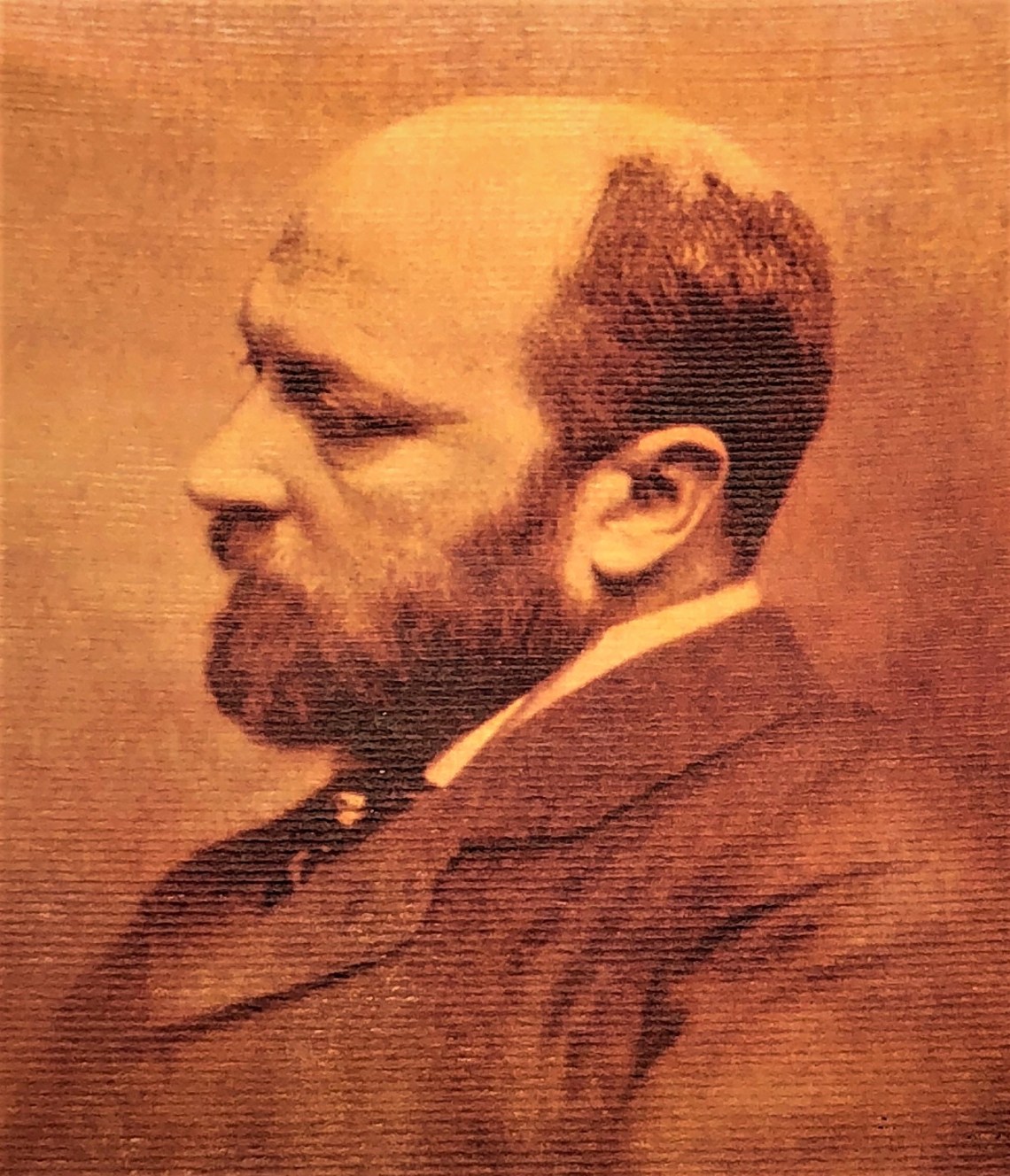
Henry James (Nova York, 1843 – Londres, 1916) produziu muita literatura ao longo de sua vida. Escreveu romances, novelas, contos, ensaios, relatos de viagem e teatro. Tratou com delicadeza temas difíceis, especialmente os relacionados às motivações subjacentes aos comportamentos das pessoas em sociedade. Nisto, abordou a posição da mulher, o casamento, a família e as amizades. Seus personagens foram dotados de grande complexidade psicológica e, através deles, ressaltou a importância dos temores e limitações inerentes às profundezas menos iluminadas dos indivíduos. Realista no estilo, compreendeu e retratou certos vieses da realidade. Percebeu a magnitude de forças provenientes dos interstícios do que se vive. Evitou a frontalidade e as simplificações destinadas a criarem conforto através da ilusão das compreensões fechadas. Foi um esteta. Nascido nos Estados Unidos numa família de intelectuais teve o pai célebre como jornalista e um dos irmãos tornou-se uma referência em Psicologia (William James). Acabou elegendo a Europa como sua terra. Viveu grande parte do tempo e morreu na Inglaterra; naturalizou-se britânico. Sua obra foi algumas vezes considerada como representante de uma chamada cultura transatlântica, por ocupar-se das diferenças e interações entre americanos e europeus. Desde a infância foi habituado a viajar e buscou compreender os povos que conheceu. Identificar-se como um estrangeiro, curioso com as diversidades talvez tenha refletido um modo sincero dele dizer o que sentia ser no mundo, qualquer que fosse a localização geográfica objetiva. Influenciou escritores do calibre de Virgínia Wolf e, mais recentemente, Colm Tóibín. Este último escreveu um romance biográfico sobre James, “O Mestre”, em que sugeriu que o escritor obrigou-se a sufocar quase totalmente sua orientação sexual (homossexual) devido ao conservadorismo da época e contexto em que viveu. Embora seu trânsito nos meios sociais e intelectuais seja conhecido, assim como o modo de pensar, veiculado pelo que escreveu, pouco se sabe sobre sua intimidade. Seus livros mais conhecidos são “Retrato de uma Senhora”, ‘Os Embaixadores”, ‘A Outra Volta do Parafuso”, “Pelos Olhos de Maisie”, “Os Espólios de Poynton”. Sua obra não se presta ao consumo fácil. Exige esforço intelectual do leitor. E recompensa-o à altura.
Henry James (New York, 1843 – London, 1916) produced a vast body of literature over the course of his life. He wrote novels, novellas, short stories, essays, travel writing, and plays. With great delicacy, he addressed difficult themes, especially those related to the underlying motivations behind human behavior in society. In doing so, he examined the position of women, marriage, family life, and friendships. His characters are endowed with remarkable psychological complexity, and through them he underscored the importance of the fears and limitations inherent in the less illuminated depths of individuals.
A realist in style, he grasped and portrayed certain biases of reality. He perceived the magnitude of forces emerging from the interstices of lived experience. He avoided bluntness and the simplifications meant to provide comfort through the illusion of closed and definitive understandings. He was an aesthete. Born in the United States into a family of intellectuals, he had a father renowned as a journalist, and one of his brothers became a major reference in psychology (William James). Europe ultimately became his chosen homeland. He spent much of his life in England, where he died, having become a naturalized British citizen.
His work has at times been regarded as representative of what is called a transatlantic culture, insofar as it is concerned with the differences and interactions between Americans and Europeans. From childhood he was accustomed to travel and sought to understand the peoples he encountered. To identify himself as a foreigner, curious about diversity, may have reflected a sincere way of expressing what he felt himself to be in the world, regardless of any objective geographical location.
He influenced writers of the stature of Virginia Woolf and, more recently, Colm Tóibín. The latter wrote a biographical novel about James, The Master, in which he suggests that the writer was compelled to almost entirely suppress his sexual orientation (homosexuality) due to the conservatism of the time and context in which he lived. Although his circulation within social and intellectual circles is well documented, as is his way of thinking as conveyed through his writings, little is known about his private life.
Among his best-known works are The Portrait of a Lady, The Ambassadors, The Turn of the Screw, What Maisie Knew, and The Spoils of Poynton. His work does not lend itself to easy consumption. It demands intellectual effort from the reader—and rewards it accordingly.

 Estante do Justo