
Edith Wharton (EUA, 1862 – França, 1937) foi a primeira mulher a ganhar um prêmio Pulitzer. Isto aconteceu em 1921 com seu livro mais célebre, “A Época da Inocência”. Foi uma mulher notável em vários aspectos. Ousou recusar o papel designado às mulheres de seu meio social no final do século XIX e início do XX e soube fazer bom uso da educação sofisticada e acesso a privilégios. Também nunca abriu mão da elegância ao manifestar o que pensava. Observou com inteligência os mecanismos que regiam o comportamento das pessoas com quem conviveu, incluindo os relacionamentos afetivos. Teve a grandeza de não ser destrutiva nas críticas que teceu; sua generosidade transparece na tentativa de compreender (sem teorizar) possíveis motivações mesmo para aquilo que ela reprovava nas interações humanas. Entendeu a importância das construções de identidades para indivíduos e grupos. Nesta obra premiada ela criou um retrato vívido da “alta sociedade” nova-iorquina do final dos anos 1800, com personagens fascinantes. Sua abordagem convida à reflexão. Trata de sentimentos sem sentimentalismo. Ela fala de mulheres e homens dominados por princípios e regras que quase nunca questionavam, admitiam-nos e faziam deles as balizas de seu modo de viver. Defendiam-nos como um bem maior, que poderia garantir sua existência como seres dignos e talvez mais merecedores de respeito e benesses do que outros. Neste mundo o conservadorismo era extremo e a impermeabilidade a tudo o que fosse diverso equivalia a um atestado de honradez. Wharton dá destaque ao pragmatismo de seus protagonistas no cumprimento das normas tacitamente acordadas pelo grupo social, assim como a capacidade para camuflar seus aspectos mais cruéis. Os europeus representavam um contraponto. Especialmente a nobreza, considerada como degenerada moralmente, permissiva e corrompida por “porosidades” determinadas por certas formas de arte, de filosofia e também pela tolerância perigosa nas atitudes relativas ao amor e ao casamento. Tal nobreza acabava por ser posta em posição de desvantagem tamanha que não cabia-lhe nenhuma alegação de superioridade frente aos americanos “bem nascidos”. Sistemas tão fechados e rígidos (inclusive defensivamente) como este dificilmente sobrevivem por muito tempo. Há sempre quem veicule novas ideias e também quem as hospede e mude através delas, promovendo instabilidades no equilíbrio grupal. E foi o que aconteceu com o “modo de ser” deste camada da sociedade nova-iorquina analisada na ficção de Wharton, que documenta a realidade desta época e contexto. A autora, participante ativa das transformações sociais ocorridas em seu tempo de vida e dedicou-se à descrição de parte disto. Se é permitido classificar alguns romances como “de formação” este deve poder ser distinguido como um “de transformação”.
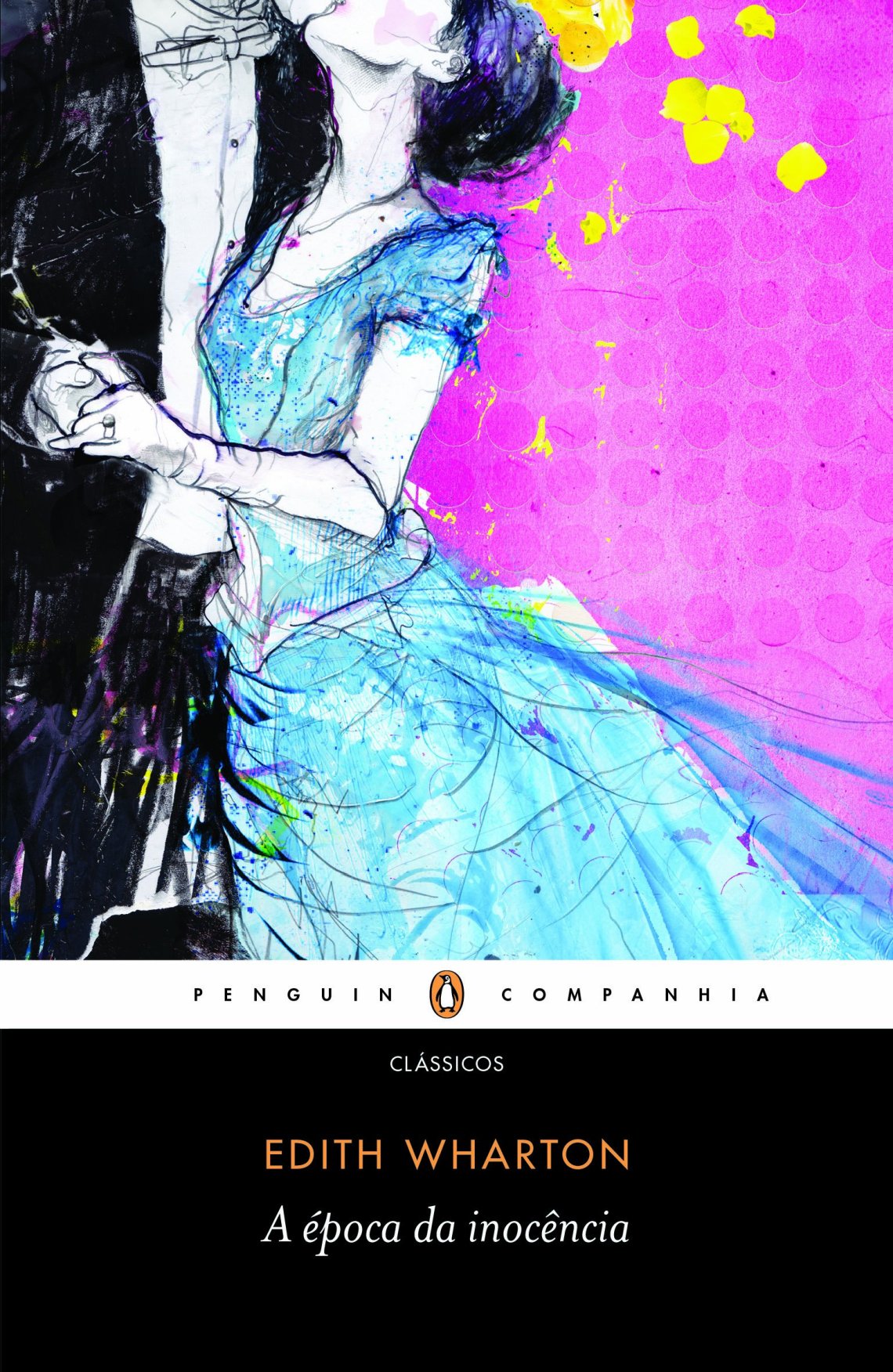
Título da Obra: A ÉPOCA DA INOCÊNCIA
Autora: EDITH WHARTON
Tradutora: HILDEGARD FEIST
Editora: PENGUIN-COMPANHIA DAS LETRAS
Edith Wharton (USA, 1862 – France, 1937) was the first woman to receive a Pulitzer Prize. This occurred in 1921 with her most celebrated novel, The Age of Innocence. She was remarkable in many respects. She dared to refuse the role assigned to women of her social milieu at the turn of the nineteenth to the twentieth century and knew how to make intelligent use of her refined education and access to privilege. She never relinquished elegance in expressing her views. With keen intelligence, she observed the mechanisms governing the behavior of those among whom she lived, including affective relationships. She possessed the greatness of spirit not to be destructive in her criticisms; her generosity is evident in her attempt to understand—without theorizing—the possible motivations even behind what she disapproved of in human interactions. She understood the importance of identity construction for individuals and groups.
In this award-winning work, she created a vivid portrait of New York’s “high society” at the end of the nineteenth century, populated by fascinating characters. Her approach invites reflection. She addresses feelings without sentimentality. She portrays women and men dominated by principles and rules that they rarely questioned, accepting them and using them as benchmarks for their way of life. They defended these principles as a higher good, one that could guarantee their existence as worthy beings, perhaps more deserving of respect and privilege than others. In this world, conservatism was extreme, and impermeability to anything different amounted to a certificate of honor. Wharton highlights the pragmatism of her protagonists in complying with norms tacitly agreed upon by the social group, as well as their capacity to conceal their cruelest aspects.
Europeans functioned as a counterpoint—especially the nobility, regarded as morally degenerate, permissive, and corrupted by certain “porosities” shaped by particular forms of art and philosophy, as well as by a dangerous tolerance in matters of love and marriage. Such nobility was thus placed at such a disadvantage that it could lay no claim to superiority over the “well-born” Americans. Systems as closed and rigid as this—defensively so—rarely survive for long. There are always those who introduce new ideas and those who receive them and are transformed by them, thereby destabilizing group equilibrium. This is precisely what happened to the “way of being” of this New York social stratum examined in Wharton’s fiction, which documents the reality of its time and context. The author, an active participant in the social transformations of her era, devoted herself to describing part of them. If some novels may be classified as Bildungsromane, this one may rightly be distinguished as a novel of transformation.
Title: The Age of Innocence
Author: Edith Wharton
Translator: Hildegard Feist
Publisher: Penguin–Companhia das Letras

 Estante do Justo