Pessoas são seres históricos, pois as circunstâncias de sua formação contribuem para que se tornem o que são. Todavia, elas não se resumem a isso. Cada indivíduo tem singularidades em sua personalidade, que está sempre em transformação. Suportes que tornam distinta sua identidade (também mutante numa certa medida) no meio de tantos outros semelhantes. As peculiaridades pessoais contribuem para modos de compreender, sentir e agir no mundo. Franz Kafka (Praga, 1883 – Kierling, 1924) transformou em literatura aquilo que sentia e entendia ser a vida. Seu discurso foi sempre marcado por suas experiências, fantasias, temores e, com mais timidez, anseios. Falou com sombria profundidade das ameaças geradas dentro e fora dele, em ambos os casos impondo-lhe barreiras duras e intenso sofrimento. Descreveu a percepção, muito própria, da opressão nas relações entre pessoas, talvez formas de crueldade que as atingem tanto pelo que elas escolhem como pelo que não escolhem, assim como da impotência diante disso. Esses temas são bastante importantes no conjunto de sua obra, dentro do muito que se pode ler nela. Ele mostrou grande intimidade com a dor dos que perdem o norte do mundo em que vivem e com o que há de frágil no ser humano, mesmo quando a fragilidade disfarça-se na rudeza e na brutalidade do comportamento. Transcendeu seu tempo histórico e falou, na atemporalidade, universalmente. Identificou e reconstituiu aspectos essenciais do homem, em diferentes contextos. O livro “Um Médico Rural”, composto de “pequenas narrativas” que ele não queria que fossem tomadas por parábolas ou alegorias, como lembra no posfácio Modesto Carone, seu tradutor, talvez condense e ilustre o que há de mais importante no que escreveu. Nessa coletânea talvez seja possível encontrar o homem que precisou expressar algo fundamental. Personificado em cada conto, Kafka vai ao leitor para dizer-lhe a verdade. Verdade esta que não se fixa em particularidades, que o transcende como autor e que convida à transcendência o seu leitor. Talvez por revelar um pouco daquilo que emana, atravessa e ultrapassa cada um. Todos.
Essas curtas narrativas estimulam a reflexão e podem proporcionar regozijo estético. Mesmo que também desconfortem.
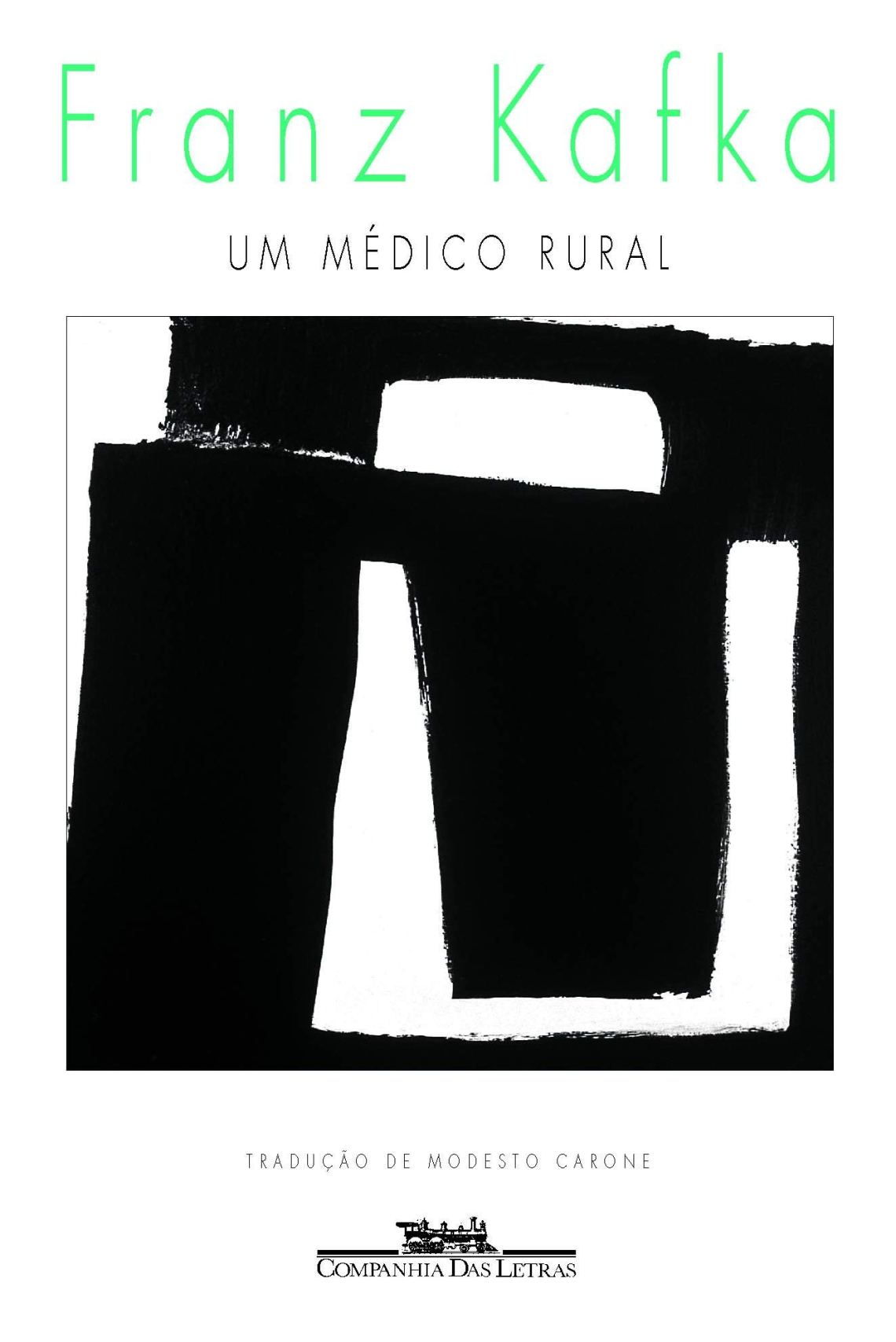
Título da Obra: UM MÉDICO RURAL
Autor: FRANZ KAFKA
Tradutor: MODESTO CARONE
Editora: COMPANHIA DAS LETRAS
Human beings are historical creatures, for the circumstances of their formation contribute to what they become. Yet they are not reducible to this alone. Each individual bears singular traits of personality, always in transformation—supports that distinguish identity (itself mutable to a degree) amid so many others who resemble one another. These personal peculiarities shape ways of understanding, feeling, and acting in the world. Franz Kafka (Prague, 1883 – Kierling, 1924) turned into literature what he felt and understood life to be. His discourse was invariably marked by his experiences, fantasies, fears, and—more timidly—his longings. He spoke with somber depth of threats arising both within and outside himself, in both cases imposing harsh barriers and intense suffering. He described a distinctly personal perception of oppression in human relations—forms of cruelty that befall people both through what they choose and what they do not choose, as well as the impotence they experience in the face of it. These themes are central to his work, among the many paths it opens to reading. He showed profound intimacy with the pain of those who lose their bearings in the world they inhabit, and with what is fragile in the human condition—even when such fragility disguises itself as roughness or brutality of behavior. He transcended his historical moment and spoke universally, in an atemporal register. He identified and reconstituted essential aspects of the human being across different contexts.
The book A Country Doctor, composed of “short narratives” that Kafka did not wish to be taken as parables or allegories—as Modesto Carone, his translator, recalls in the afterword—perhaps condenses and illustrates what is most significant in his writing. In this collection one may find the man compelled to express something fundamental. Personified in each story, Kafka comes to the reader to tell the truth—a truth that does not attach itself to particulars, that transcends him as an author, and that invites the reader to transcend as well. Perhaps because it reveals something of what emanates from, passes through, and surpasses each of us. All of us.
These brief narratives invite reflection and can provide aesthetic delight—even as they also unsettle.
Title: A Country Doctor
Author: Franz Kafka
Translator: Modesto Carone
Publisher: Companhia das Letras


 Estante do Justo