A matéria em sua radicalidade contém a vida. E também morte. E o que excede vida e morte. Os elementos químicos, uma vez reconhecidos, foram objeto de estudo e de sucessivos esforços de classificação que fosse conforme às propriedades de cada um deles e às leis derivadas de sua posição no conjunto. Desde Antoine Lavoisier em 1789 (talvez antes) cientistas tentaram sistematizações racionais destes elementos. Dmitri Mendeleev e Julius Meyer fizeram grandes avanços neste campo durante o século XIX, construindo o modelo que é aproximadamente o utilizado até agora. Excetuando-se os químicos, poucos detêm-se na reflexão sobre o que são e o que determinam os elementos fundamentais constituintes da matéria. Neles há universos. O escritor italiano Primo Levi (Turim, 1919-1987) foi também um químico. Enxergou uma química ainda mais complexa do que o pensamento científico permitia ver. Mergulhou em profundezas que metafísicas não explicam, onde a solidez da dimensão trágica do inescapável impera. Acompanhando seu olhar focalizamos a fortuidade do viver e a limitação das vontades humanas. Nesta mirada fragilizam-se todas as grandes referências criadas e criadoras de sentidos que se constroem para aliviar angústias cotidianas. As significações revelam-se sempre singulares e perecíveis; a tentativa de dar sentido a certos eventos da vida, um mister digno de Sísifo. A racionalidade parece pairar solta e efêmera sobre os discursos que os humanos constroem sobre si mesmos. Primo Levi foi um corajoso esteta da relação artificial entre o real e as inúmeras artimanhas forjadas para apreende-lo. Tarefa inglória e propensa a falhar, mas, pilar da esperança, bálsamo indispensável para que o ser pensante tolere sua sujeição à brutalidade da matéria ignorante de sentidos. Matéria soberana. Nesta obra que oscila entre a engenhosidade da ficção e o determinismo do relato memorialista (ficção de outra natureza), o autor usa alguns dos componentes da tabela periódica para nomear tangencialmente o que afetou ou constituiu sua biografia. Talvez aplicável à qualquer biografia. Cria beleza que ofusca a ponto de não ser reconhecida. Navega no que viveu. Família, cultura, momento histórico e desconcerto pelo incerto que rege o passado, o presente e o futuro. Um texto profundamente sensível, que dispensa classificações. Mesmo periódicas. Prosa tocante. Curva-se ao que é sobre-humano e sobre-vivente. Nisto agiganta-se. Humildemente.
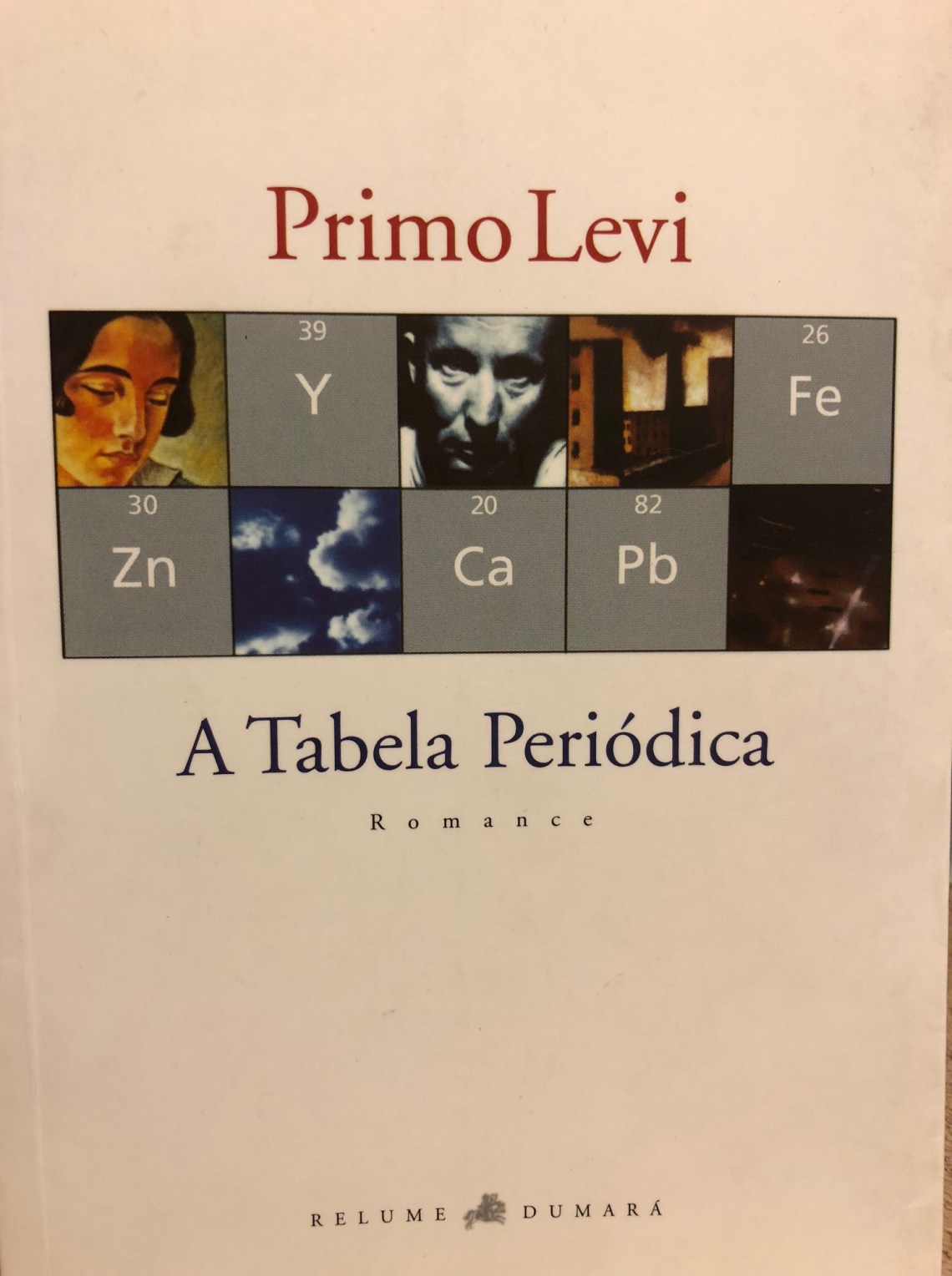
Título da Obra: A TABELA PERIÓDICA
Autor: PRIMO LEVI
Tradutor: LUIZ SÉRGIO HENRIQUES
Editora: RELUME DUMARÁ
Matter, in its radical essence, contains life. And also death. And that which exceeds both life and death. Once recognized, the chemical elements became objects of study and of successive efforts at classification, in accordance with their properties and with the laws derived from their position within the whole. Since Antoine Lavoisier in 1789 (perhaps earlier), scientists have attempted rational systematizations of these elements. Dmitri Mendeleev and Julius Meyer made major advances in this field during the nineteenth century, constructing a model that remains, approximately, the one in use today. With the exception of chemists, few people pause to reflect on what the fundamental elements that constitute matter are, and on what they determine. Within them reside entire universes.
The Italian writer Primo Levi (Turin, 1919–1987) was also a chemist. He perceived a chemistry even more complex than scientific thought allowed itself to see. He plunged into depths that metaphysics cannot explain, where the solidity of the tragic dimension of the inescapable reigns. By following his gaze, we focus on the fortuitousness of living and on the limits of human will. Under this scrutiny, all the great references created—and creative—of meaning, constructed to alleviate everyday anguish, are weakened. Meanings reveal themselves to be always singular and perishable; the attempt to endow certain events in life with meaning is a task worthy of Sisyphus. Rationality seems to hover loosely and fleetingly over the discourses human beings construct about themselves.
Primo Levi was a courageous aesthete of the artificial relationship between reality and the countless stratagems forged to apprehend it. A thankless task, prone to failure, yet a pillar of hope, an indispensable balm that allows the thinking being to tolerate its subjection to the brutality of matter, ignorant of meaning. Sovereign matter. In this work, which oscillates between the ingenuity of fiction and the determinism of memoiristic narrative (fiction of another nature), the author uses some of the components of the periodic table to name, tangentially, what affected or constituted his biography—perhaps applicable to any biography. He creates a beauty so dazzling that it risks going unrecognized. He navigates what he has lived: family, culture, historical moment, and the disquiet produced by the uncertainty that governs past, present, and future. A deeply sensitive text that dispenses with classifications—even periodic ones. Moving prose. It bows before what is superhuman and beyond living. In doing so, it grows immense. Humbly.
Title of the Work: The Periodic Table
Author: Primo Levi
Translator: Luiz Sérgio Henriques
Publisher: Relume Dumará
#literatura #resenha #estantedojusto.com #primolevi


 Estante do Justo
Que ideia fantástica.
Estamos todo o tempo diante da beleza das coisas no nosso cotidiano. Entretanto, poucos são os ILUMINADOS que conseguem capturar e traduzir essa beleza em palavras. Parabéns ao Primo e a você.
Abs
CurtirCurtir
Obrigado querido Appolinario
Grande abraço
CurtirCurtir
Luís é sempre muito agradável entrar em contato com suas sugestões e comentáriosprova indiscutível do seu talento e seriedade, estou no Canadá que me surpreende a cada dia e cada cidade que conheço.
Sua civilidade é admirável. Talvez esse “seja o Brasil que eu queria”.
Assim que eu voltar marcaremos um encontro.
Saudades,
Lauro
CurtirCurtir
Obrigado querido Lauro. Boa estadia no Canadá. Saudade de você. Gostarei muito de te rever quando estiver de volta.
Um grande abraço
CurtirCurtir
A mais apaixonante de todas as resenhas que voce já escreveu! 👏🏼👏🏼👏🏼
CurtirCurtir
Obrigado queridíssima Renata.
Um beijo
CurtirCurtir
Deu muita vontade de ler. Bela dica!
CurtirCurtir
Obrigado por comentar Maria
Abs
CurtirCurtir