A “classe alta” americana compõe-se basicamente por dois tipos de pessoas: aquelas que se tornaram ricas devido ao próprio trabalho, sem tradição e que não se apoiam na origem para obter prestígio social, denominadas as do “dinheiro novo”, e as que prezam e utilizam antes de tudo sua linhagem antiga na América e alegam algum modo de participação na independência em relação à Inglaterra, geralmente herdeiros de fortunas, são os do “dinheiro velho”. Neste último grupo foi sendo forjada a fantasia de pertencimento ao “sangue azul” europeu, do qual estavam distantes quando imigraram para o Novo Mundo.
O escritor Louis Begley, nascido na Polônia em 1933 e naturalizado americano, quase que se especializou em retratar essa elite. Descreve com maestria os complicados esforços dos indivíduos e clãs para afirmarem-se como nobres sem títulos. Trata também das relações desta camada da sociedade com o universo mais amplo dos norte-americanos que priorizam a vitória pelo esforço, determinação e trabalho mesmo quando não enriqueceram.
O enredo de “Memórias de um Casamento” é construído nesse contexto. Conta a estória de Lucy De Bourgh, um protótipo da americana tradicional e rica, e de seu casamento com Thomas Snow, filho de um dono de oficina de automóveis e de uma contadora, pessoas nada abastadas. Todavia, ele enriqueceu, através do desenvolvimento de suas capacidades, estudando em Harvard e travando batalhas ardorosas para ascender. Dotado do famigerado “senso de oportunidade”. Para o observador externo a união parece uma ousadia de Lucy, um ato de rebeldia em relação a uma paisagem moral um tanto desacreditada mas da qual não era fácil se libertar, talvez uma espécie de afirmação de autenticidade através da valorização do sentimento em sobreposição à conveniência. Surgem problemas intransponíveis. O narrador, que havia sido amigo deles separadamente em tempos passados, descreve e interpreta com sutileza o que se deu. Como bom romance que é este livro tem diversos planos de leitura que eventualmente se fundem. Begley, para além dos aspectos mais singulares dos personagens psicologicamente bem construídos, fala sobre a rigidez de conceitos nos determinantes de classe social nos Estados Unidos, a despeito dos alardeados ideais democráticos. Lucy mostra-se um ícone da arrogância, intransigência, preconceito e presunção. E não deixa de fazer transparecer um certo tipo de decadência. Na soma de tudo, um estandarte do patético. Em contraponto, Thomas é o americano ideal, a possibilidade de desenvolvimento como resultado do empenho pessoal. E parece haver muita complexidade na relação entre estas condições.
O texto, além de rico e vivo, é elegante em sua simplicidade formal, o que propicia prazer na leitura.
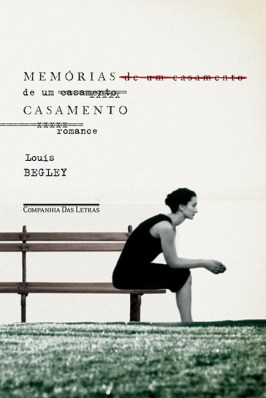
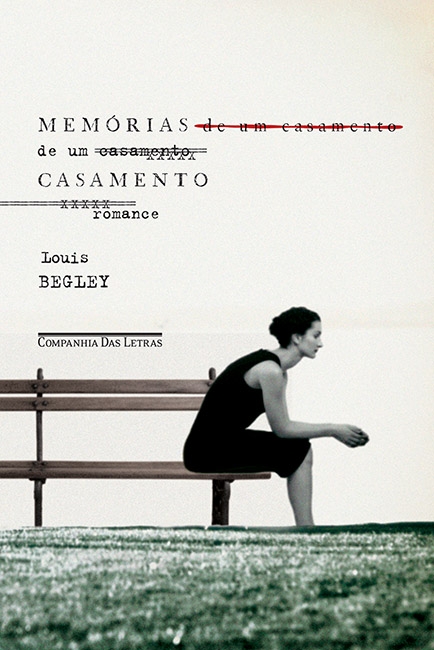
Título da Obra: MEMÓRIAS DE UM CASAMENTO
Autor: LOUIS BEGLEY
Tradutor: RUBENS FIGUEIREDO
Editora: COMPANHIA DAS LETRAS
The American “upper class” is basically composed of two types of people: those who became wealthy through their own work, without lineage and without relying on origin to obtain social prestige—the so-called “new money”—and those who prize and above all make use of their ancient lineage in America, claiming some form of participation in independence from England; generally heirs to fortunes, they are the “old money.” Within this latter group there gradually took shape the fantasy of belonging to European “blue blood,” from which they were in fact far removed when they immigrated to the New World.
The writer Louis Begley, born in Poland in 1933 and later naturalized as an American, has almost specialized in portraying this elite. He masterfully describes the intricate efforts of individuals and clans to assert themselves as nobles without titles. He also addresses the relations of this social stratum with the broader universe of Americans who prioritize victory through effort, determination, and work, even when they have not become wealthy.
The plot of Memories of a Marriage is constructed within this context. It tells the story of Lucy De Bourgh, a prototype of the traditional, wealthy American woman, and of her marriage to Thomas Snow, the son of an auto-repair shop owner and an accountant—people of no great means. He, however, grew rich by developing his abilities, studying at Harvard, and fighting ardent battles to rise socially, endowed with the notorious “sense of opportunity.” To the external observer, the union appears as an act of daring on Lucy’s part, a gesture of rebellion against a somewhat discredited moral landscape from which it was not easy to free oneself—perhaps a kind of affirmation of authenticity through the valorization of feeling over convenience.
Insurmountable problems emerge. The narrator, who had been a friend of each of them separately in earlier times, describes and interprets with subtlety what transpired. Like any good novel, this book offers several planes of reading that eventually merge. Begley, beyond the more singular aspects of his psychologically well-constructed characters, speaks about the rigidity of concepts that determine social class in the United States, despite loudly proclaimed democratic ideals. Lucy proves to be an icon of arrogance, intransigence, prejudice, and presumption, and she does not fail to betray a certain kind of decadence—taken together, a banner of the pathetic. In counterpoint, Thomas is the ideal American, the embodiment of the possibility of advancement as the result of personal effort. And there seems to be great complexity in the relationship between these conditions.
The text, in addition to being rich and vivid, is elegant in its formal simplicity, which provides genuine pleasure in reading.
Title of the Work: Memories of a Marriage
Author: Louis Begley
Translator: Rubens Figueiredo
Publisher: Companhia das Letras


 Estante do Justo
outra leitura que pode ajudar a ampliar o ser humano com suas particularidades e seus contextos sociais. Obrigada pela dica
Bj
CurtirCurtido por 1 pessoa
Eu é que agradeço
Bj
CurtirCurtir