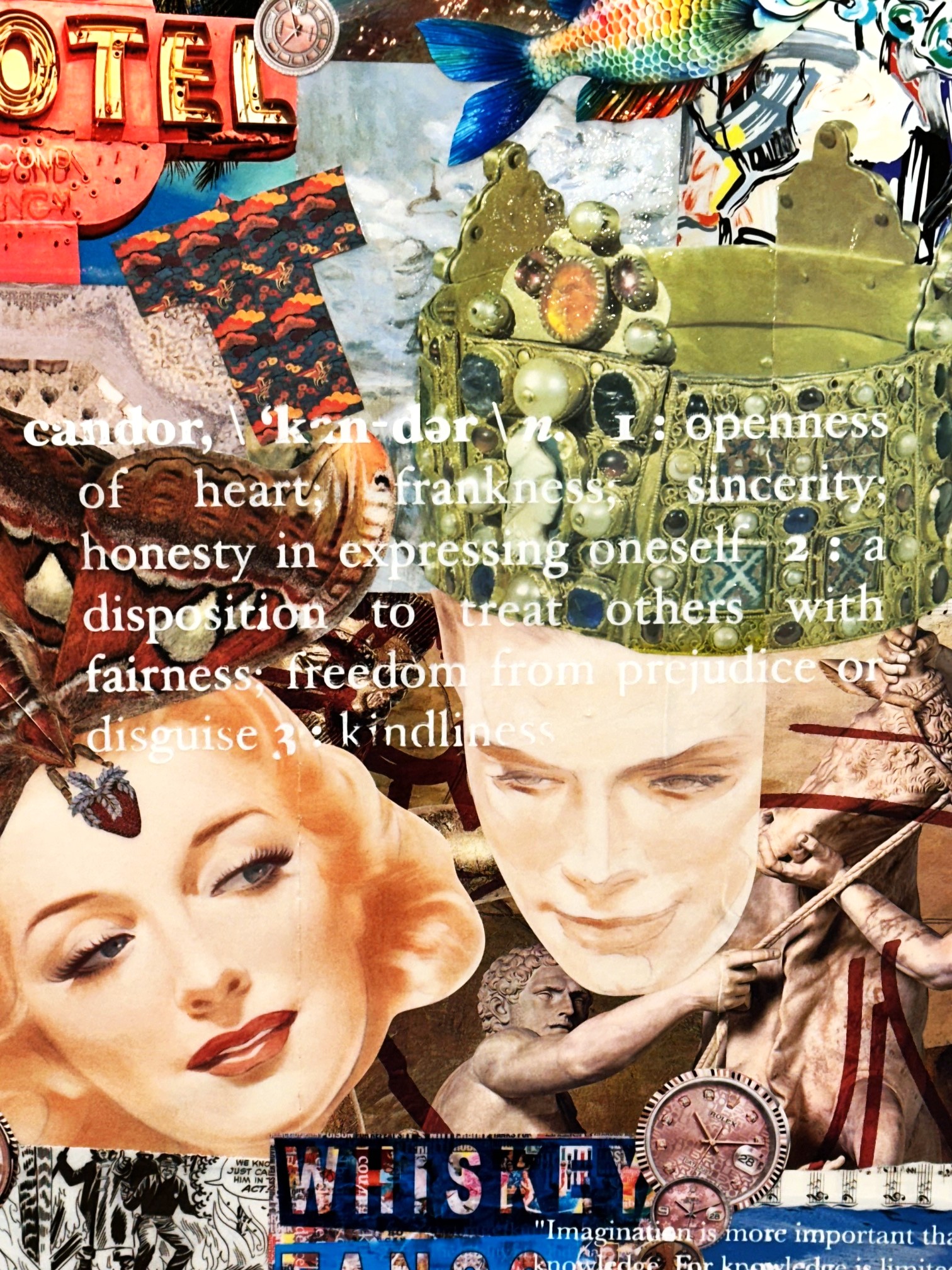
Tem sido comum nos meios culturais o foco nas dificuldades que afetam as mulheres em sociedades machistas. Faz sentido. Todavia, os homens também têm também seus problemas. Questões relativas a gênero parecem ter existido ao longo da maior parte da História e não cessam. Considerem-se os muitos estereótipos da masculinidade e feminilidade e as dificuldades que podem causar às pessoas. Podem ser opressivos de diversos modos, incluindo os engendramentos que levam indivíduos a ocuparem lugares em que suas singularidades se desbotam a tal ponto que eles passam a desempenhar papeis como se fossem simulacros de gente. Não raro, isto é identificável na formação e convivência das famílias. Em “EU ERA MUDO E SÓ” LYGIA FAGUNDES TELLES (São Paulo, 1923-2022) mostra um momento na vida de um casal em que o homem é o oprimido.
Neste conto a autora demonstra mais uma vez o refinamento para tocar em temas intricados. É breve e aguda. Cria ficção para que, ao espiar fragmentos de vida dos personagens, o leitor seja estimulado a refletir. Em seu jeito de dizer o que julga importante, Lygia Fagundes Telles faz emergir o que subjaz às superficialidades que capturam o olhar. Assim ela limita interpretações banais da realidade. Aqui a escritora oferece um retrato instantâneo da vida de um casal. A esposa lê sob a luz de um abajur, com aparente tranquilidade e possivelmente satisfeita com a vida que tem. Observa os movimentos do marido sem demonstrar interesse maior pelo que ele está sentindo, mesmo que exerça controle sobre a parte que lhe importa na situação. Ela parece ter seguido cuidadosamente a cartilha que lhe foi destinada, na qual as boas aparências, se não bastam, são essenciais. O marido, narrador, deixa entrever seus anseios e o aprisionamento a que se submeteu quando renunciou a um tipo fundamental de liberdade para entrar numa vida, sob muitos aspectos, sedutora. Experimenta angústia, solitário e mudo. Além da própria insatisfação perturba-se ao pensar na formação da filha do casal que, a seu ver, segue os passos da mãe.
Casamentos “fabricados” para atender conveniências pessoais, familiares ou sociais acontecem. Mais frequentemente isto se dá entre os que acreditam na necessidade de erigir e manter belas “fachadas” e que valorizam mais o estilo de vida do que o que se passa intimamente entre os envolvidos. Talvez não tenham outras preocupações e premências, pois muito do que precisam já lhes foi dado e suas ambições são restritas a uma espécie de microcultura. Tais arranjos costumam implicar isolamento dos atores, sob atuações que simulam laços afetuosos e proximidade. Calam-se todos sobre o que se passa em suas profundezas, mesmo que falem fartamente sobre exterioridades.
Aqui, Lygia Fagundes Telles faz conjecturar sobre o que está por trás das máscaras ou sobre as cenas fixadas em cartões postais, que não deixam transparecer realmente o vivido, embora sejam suficientes para iludir.
In cultural circles, it has become commonplace to focus on the difficulties that affect women in patriarcal/sexist societies. This is understandable. Yet men, too, have their own problems. Questions of gender seem to have accompanied most of human history and have not ceased. Consider the many stereotypes of masculinity and femininity, and the constraints they may impose on individuals. They can be oppressive in various ways, including the subtle mechanisms that lead people to occupy roles in which their singularities fade to such an extent that they begin to perform as simulacra of human beings. This is not infrequently evident in the formation and daily life of families. In “I Was Mute and Alone,” Lygia Fagundes Telles (São Paulo, 1923–2022) portrays a moment in the life of a couple in which the man is the one oppressed.
In this short story, the author once again demonstrates her refinement in approaching intricate themes. It is brief and incisive. She creates fiction so that, by glimpsing fragments of her characters’ lives, the reader is invited to reflect. In her way of expressing what she considers important, Lygia Fagundes Telles brings to the surface what lies beneath the superficialities that capture the eye, thereby restraining banal interpretations of reality. Here, she offers a snapshot of a couple’s life. The wife reads under the light of a lamp, with an appearance of calm and perhaps satisfied with the life she leads. She observes her husband’s movements without showing much interest in what he is feeling, even as she exerts control over the aspects that matter to her. She seems to have carefully followed the script assigned to her, in which good appearances—if not sufficient—are at least essential.
The husband, who narrates the story, reveals glimpses of his longings and of the confinement to which he has subjected himself when he renounced a fundamental kind of freedom in order to enter a life that is, in many respects, seductive. He experiences anguish—solitary and mute. Beyond his own dissatisfaction, he is troubled by thoughts about the upbringing of their daughter, who, in his view, follows in her mother’s footsteps.
“Manufactured” marriages—those shaped to meet personal, familial, or social conveniences—do exist. More often, they occur among those who believe in the necessity of erecting and maintaining beautiful façades, and who value lifestyle more than what unfolds intimately between those involved. Perhaps they have no other pressing concerns, for much of what they need has already been given to them, and their ambitions are confined to a kind of microculture. Such arrangements tend to imply the isolation of those involved, under performances that simulate affection and closeness. All remain silent about what unfolds in their depths, even as they speak abundantly about externalities.
Here, Lygia Fagundes Telles invites reflection on what lies behind the masks, or behind scenes fixed like postcards, which fail to reveal what is truly lived, though they suffice to deceive.
Título da Obra: EU ERA MUDO E SÓ (parte do volume “ANTES DO BAILE VERDE”)
Autora: LYGIA FAGUNDES TELLES
Editora: COMPANHIA DAS LETRAS
Na ilustração: foto de obra do artista Peter Tunney (EUA, 1961)
In the illustration: photograph of a work by Peter Tunney (USA, 1961).

 Estante do Justo