
Há muitos tipos de exílio. Os desdobramentos de cada exílio também são plurais. Algo possivelmente comum às diferentes formas de banimento são o desconforto de ser alguém “de fora”, o medo da rejeição, o atrofiamento do que se é pela ocultação ou anulação de aspectos da personalidade, do comportamento espontâneo, da cultura, a desqualificação, tanto de origem externa como interna, citando alguns dos possíveis danos. E, vale não omitir, o ressentimento que prende e escraviza. Há pessoas que são conduzidas ao exílio simplesmente por terem alguma característica irracionalmente condenada pelos grupos sociais em que vivem (às vezes até por si mesmas), sendo ou não forçadas a abandonar o mundo de onde provêm.
O marroquino Abdellah Taïa (Salé, 1973) fala sobre isto em seus livros e filmes. Abertamente homossexual num país que pune com prisão, humilhação e exclusão os que são denunciados ou flagrados em relacionamento amoroso/sexual com pessoas do mesmo sexo, homens ou mulheres, ficou profundamente marcado pelo sofrimento inerente à intolerância. Para escapar do aniquilamento perdeu um universo. Custou a contabilizar e compreender a extensão das privações que adviriam disto. Esforça-se parece ter transformado seu sofrimento como exilado em produção artístico-literária. Hoje reside na França e lá ainda sente que é irrevogavelmente estrangeiro, apesar do País ser um dos mais acolhedores para os desterrados que andam pelo mundo. Na França trabalha. Difícil definir tal destino como um desfecho benigno ou carente desta qualidade. Esta qualificação depende de tão complexas variáveis que produções de discursos sobre o tema tendem a converterem-se em armadilhas ideológicas e morais.
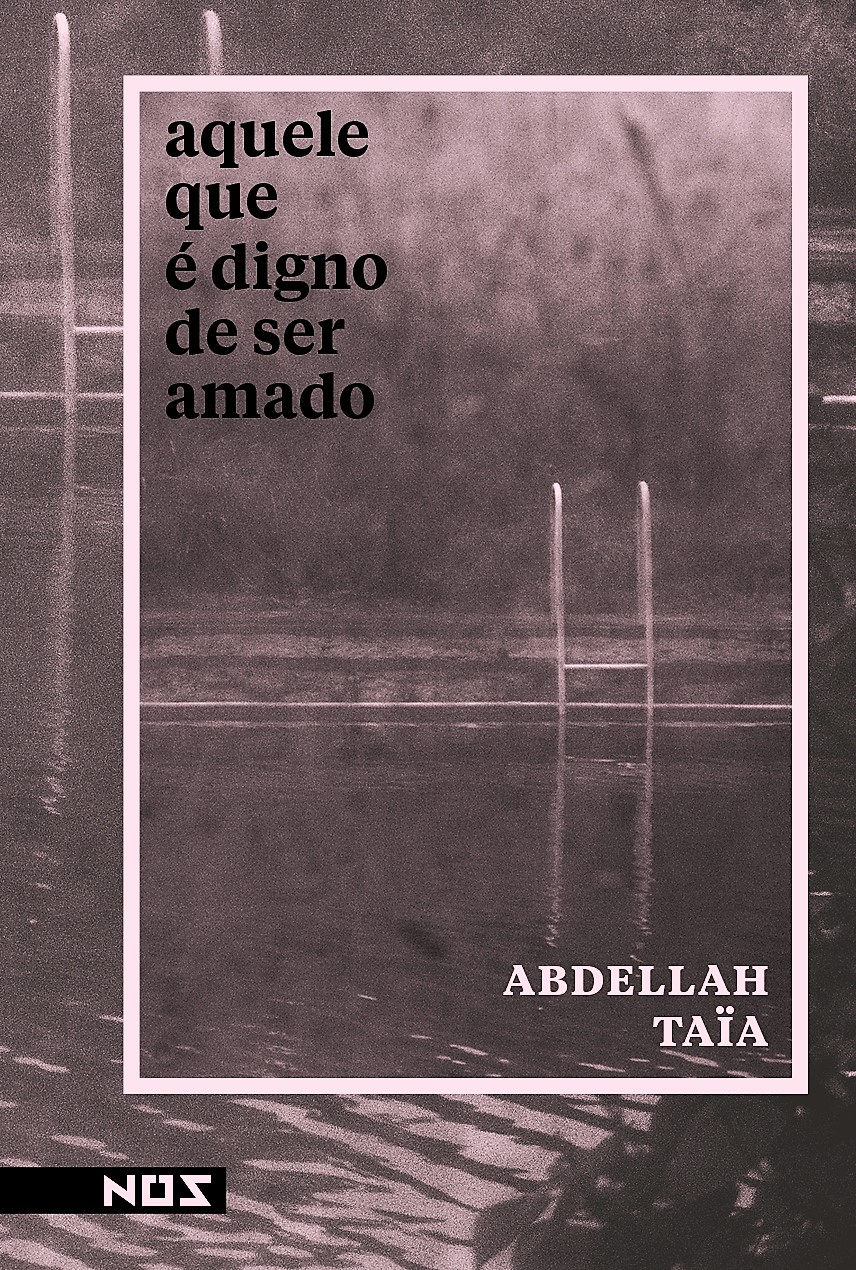
No pequeno romance “Aquele Que É Digno De Ser Amado” Taïa descreve, através de quatro cartas dispostas em regressão cronológica, a trajetória dolorosa de um homem que por ser homossexual acaba desterrando-se e reduzindo demasiadamente as dimensões de possibilidades equivalentes a esperanças. Talvez isto tenha derivado do imprescindível intuito de garantir um lugar onde coubesse. O personagem vai compreendendo que ele, como qualquer pessoa, não se resume à orientação sexual. Todavia, é vitimado pela pressão para resumir-se a isto. Ilude-se, buscando caminhos que não o podem levar à abertura por onde poderia respirar a liberdade de afirmar sua identidade, tão mais ampla. O autor faz aquele que o lê migrar da impressão de estar diante de alguém um tanto maçante, reverberador de lamúrias estéreis, para o reconhecimento de um indivíduo complexo, cujo discurso justifica-se em sua história e em muitas outras histórias afetadas por lesões profundas, que ganham transparência para aqueles que conseguem superar preconceitos. Um homem com feridas que ao invés de cicatrizarem evoluem penetrando em tudo o que parece solução regeneradora. É trágico (também) naquilo que não é intuitivo.
A voz de Taïa não tem nada de débil nem de piegas. É verdadeira, tocante e fala de quem é digno. Inclusive de ser amado.
Título da Obra: AQUELE QUE É DIGNO DE SER AMADO
Autor: ABDELLAH TAÏA
Tradutor: PAULO WERNECK
Editora: NÓS
There are many kinds of exile. The unfoldings of each are equally diverse. Yet perhaps something unites all forms of banishment: the discomfort of being an outsider; the fear of rejection; the withering of one’s being through the concealment or erasure of personality, spontaneous behavior, and culture; the loss of dignity, whether inflicted from without or within. And—let us not omit—the resentment that imprisons and enslaves.
Some people are driven into exile simply for possessing a trait irrationally condemned by the society they inhabit—sometimes even by themselves—whether or not they are forced to abandon the world from which they come.
The Moroccan writer Abdellah Taïa (Salé, 1973) speaks of this in his books and films. Openly homosexual in a country where those discovered or denounced for same-sex relationships are punished with imprisonment, humiliation, and exclusion, he has been profoundly marked by the suffering born of intolerance.
To escape annihilation, he had to relinquish an entire universe. It took him time to grasp the full measure of what had been lost. He seems to have transformed the pain of exile into artistic and literary creation.
Today he lives in France—and even there he feels himself irrevocably foreign, despite the country’s reputation for hospitality toward the displaced who wander the world. In France, he works. Whether such a destiny is to be seen as fortunate or bereft of fortune is difficult to determine; its evaluation depends on variables so complex that discourse on the matter easily collapses into ideological or moral snares.
In his brief novel He Who Is Worthy of Being Loved, Taïa tells, through four letters arranged in reverse chronology, the painful trajectory of a man who, because he is homosexual, ends up exiling himself and narrowing the dimensions of possibility that might once have sustained hope. Perhaps this self-expulsion arose from the urgent need to find a place in which he could fit.
The protagonist gradually comes to understand that, like anyone else, he cannot be reduced to his sexual orientation—yet he is victimized by the pressure to do exactly that. He deludes himself, seeking paths that cannot lead him to the openness through which he might breathe the freedom of a fuller identity.
Taïa leads the reader from the initial impression of a somewhat wearisome figure—echoing sterile laments—to the recognition of a complex human being, whose voice is justified by his story and by countless others marked by deep wounds, made transparent only to those capable of transcending prejudice. A man whose scars do not heal but rather spread, penetrating even what seems to promise regeneration.
It is tragic—also—in what escapes intuition.
Taïa’s voice is neither frail nor sentimental. It is true, it is moving, and it speaks of one who is worthy—worthy, indeed, of being loved.

 Estante do Justo
Olá Dr. Luis que lindo e intenso olhar sobre esse autor e sua obra. Meus olhos encheram-se de lágrimas.
CurtirCurtir
Muito obrigado por dizer isto Patrícia
Um abraço
CurtirCurtir
Oi. Como vai? Poderia dar uma opinião sobre: Por qual motivo Samuel Beckett é tão pouco citado nos meios culturais? Será que é muito cedo para ele?
CurtirCurtido por 1 pessoa
Acho um escritor e dramaturgo genial. Todavia, a leitura de seus livros ou a compreensão dos textos dramáticos exigem algum empenho do receptor, talvez mesmo alguma familiaridade com literatura e um universo cultural mais afeito ao que não se dá muito obviamente. Fiz um comentário neste blog sobre “O Expulso”. Convido-a a dar uma olhada .
Muito obrigado por comentar
CurtirCurtido por 1 pessoa