
Editora: COMPANHIA DAS LETRAS
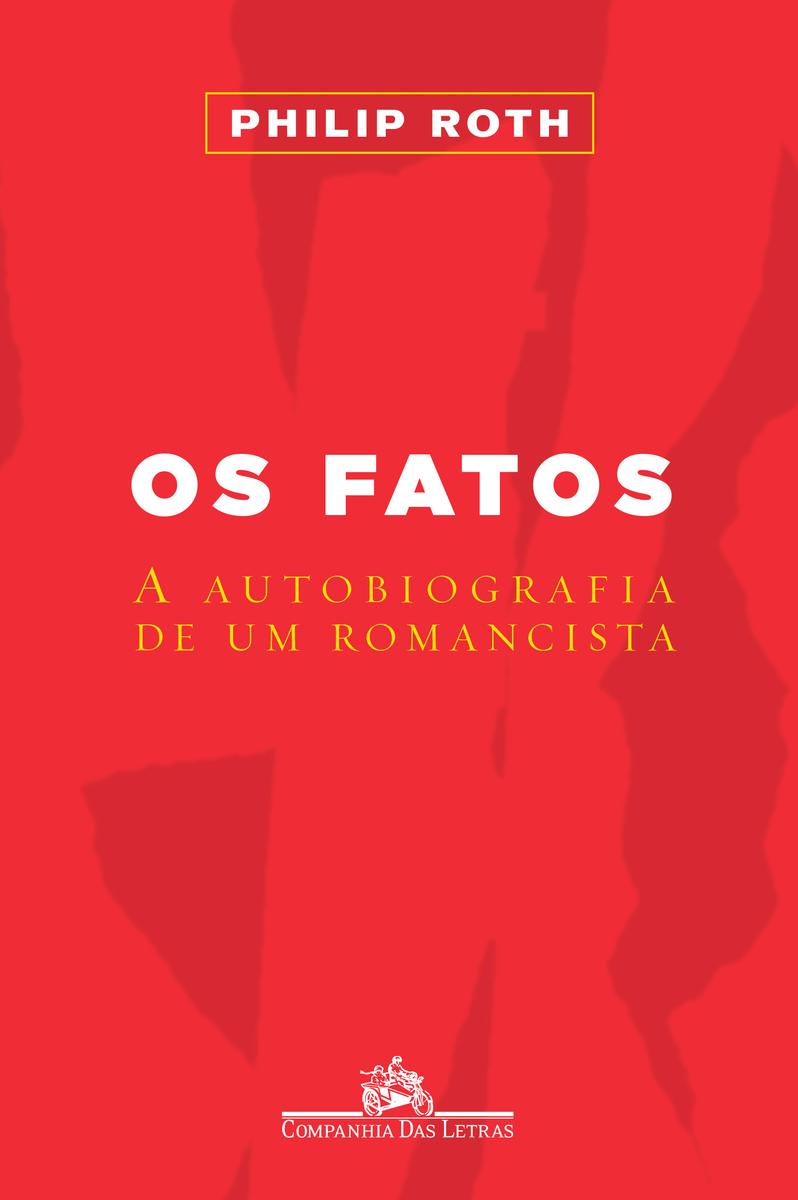
Philip Roth, one of the great writers of our time, published in 1988 an autobiographical account—though meta-autobiographical might be the more fitting term—entitled The Facts.
He opens the book with a letter addressed to the central character of his fiction, Nathan Zuckerman (often described as his “alter ego”). In it, Roth submits the manuscript to Zuckerman’s judgment, asking whether it is worth publishing. At the end, the character delivers his verdict. These two layers of The Facts complement and amplify each other, enriching the reader’s understanding of Roth’s broader work: the intention to portray the world with a certain distance, and the inevitable self-exposure embedded in any such portrayal.
The professed aim of seeking out the facts—or the fragments of fact that underlie Roth’s fiction—appears at first to be the driving force of the book. Yet these facts reveal a certain poverty when confined to such a descriptive format, an inadequacy in the attempt to recover them in their “material” state. They seem stripped of color, charm, and even sufficient authenticity, though they allow the reader to glimpse—and only that—elements of the history of an intelligent man, one of complex temperament and sophisticated worldview. Here arises the awareness that one cannot escape treating personal identity as the central concern.
Roth’s books often explore the tense interplay between his Jewish upbringing in a “goyish” world and his deep sense of belonging to his native country, the United States. Yet he ends up probing much more than this. Roth reflects upon the individual in his greatness and his failings, in his inescapable contradictions, inconsistencies, and stubborn singularities—those which resist the pressures of society. He contemplates the arduous search to feel at home in and with the world without becoming a foreigner within it. Much in his work extends beyond nationality, culture, or religious formation in their usual senses. What prevails is what is universally human.
Roth exposes the hypocrisy of the politically correct. He denounces the pettiness of the artifices employed to maintain an adaptive posture in societies that rely, without shame, on false appearances at the expense of coherent, consistent action—action grounded in ethics and the ever-elusive truth. He writes of the pain of disillusionment, tolerated by so few, as well as the rare and difficult courage required to acknowledge and depict life in its rawness, with what is true and able to permeate even autofiction.
What Roth wrestles with in this book does not fit within the boundaries of a conventional biography. It transcends any naïve intention. It invites the reader to think critically about what is often presented as a solid account of a reality that, inevitably, slips beyond the possibility of precise or factual representation.
He shows that to fictionalize is intrinsic to the task of saying who one is. Zuckerman affirms this—he is the author. He justifies the supremacy of fiction, and sends readers back to it.
Title of the Work: The Facts
Author: Philip Roth
Translator: Jorio Dauster
Publisher: Companhia das Letras
Philip Roth, uno de los grandes escritores del mundo, publicó en 1988 un relato autobiográfico —o quizá sería más apropiado llamarlo meta-autobiográfico— titulado Los hechos.
El libro se inicia con una carta dirigida al principal personaje de su ficción, Nathan Zuckerman (considerado por muchos como su alter ego). En ella, Roth somete el texto a la evaluación de Zuckerman para que este determine si merece o no ser publicado. Al final, el personaje emite su dictamen. Son dos dimensiones de Los hechos que se complementan y amplían mutuamente el sentido de la obra, enriqueciendo la percepção del lector respecto de los demás escritos de Roth: el propósito de retratar el mundo com cierto distanciamiento y la inevitabilidad de retratarse a sí mismo en el mundo.
El supuesto empeño de buscar los hechos, o los fragmentos de hechos que se hallan en el origen de la ficción rothiana, parece ser el principal motor de creación. Sin embargo, esos hechos revelan cierta pobreza dentro de este formato descriptivo, en la tentativa de rescatarlos en su “materialidad”. Parecen desprovistos de color, de encanto e incluso de autenticidad suficiente, aunque permiten entrever —y nada más que eso— aspectos de la historia de un hombre inteligente, de personalidad compleja y de visión del mundo sofisticada. Es ahí donde se instala la conciencia de la inevitabilidad de considerar la identidad personal como cuestión primordial.
Los libros de Roth tratan con frecuencia la articulación entre su formación judía en un mundo “goy” y el fuerte sentimiento de pertenencia a su país natal, los Estados Unidos. Pero termina ocupándose de mucho más que eso. Roth reflexiona sobre el individuo en sus grandezas y miserias, en sus contradicciones ineludibles, en sus inconsistencias, en sus singularidades resistentes a las fuerzas sociales; sobre la ardua búsqueda de estar bien en y con el mundo en que se vive, sin convertirse en extranjero dentro de él. Hay mucho en su obra que excede nacionalidad, cultura o formación religiosa en sus sentidos más habituales. Predomina lo que es universalmente humano.
Roth señala la hipocresía de lo políticamente correcto. Denuncia la pequeñez de los artificios usados para sostener un posicionamiento adaptativo en sociedades que recurren sin pudor a las falsas apariencias en detrimento de acciones coherentes y consistentes, comprometidas con el ejercicio de la ética y con la siempre esquiva verdad. Habla del dolor de la desilusión, tolerado por muy pocos, así como del coraje —difícil y raro— de admitir y retratar la vida en su crudeza, con aquello que es verdadero y que puede atravesar incluso la autoficción.
Lo que Roth discute en el libro no cabe en los hechos de una biografía convencional. Trasciende toda intención ingenua. Invita a pensar críticamente en aquello que suele presentarse como relato sólido de una realidad que, de modo inevitable, escapa a la posibilidad de ser narrada con precisión o veracidad factual.
Muestra que ficcionar es un atributo esencial de la tarea de decir quién se es. Zuckerman así lo afirma: él es autor. Justifica la supremacía de la ficción. Y remite al lector a ella.
Título de la obra: Los hechos
Autor: Philip Roth
Traductor: Jorio Dauster
Editorial: Companhia das Letras

 Estante do Justo