Desde a Antiguidade o homem busca respostas para questões sobre hereditariedade. Aristóteles e Pitágoras já mostravam interesse pela transmissão de características físicas e comportamentais por sucessivas gerações. Todavia, foram necessários aproximadamente dois mil anos para que surgissem os primeiros conceitos sobre o tema que fossem articulados mirando evidências científicas. Produto de uma verdadeira saga do conhecimento científico.
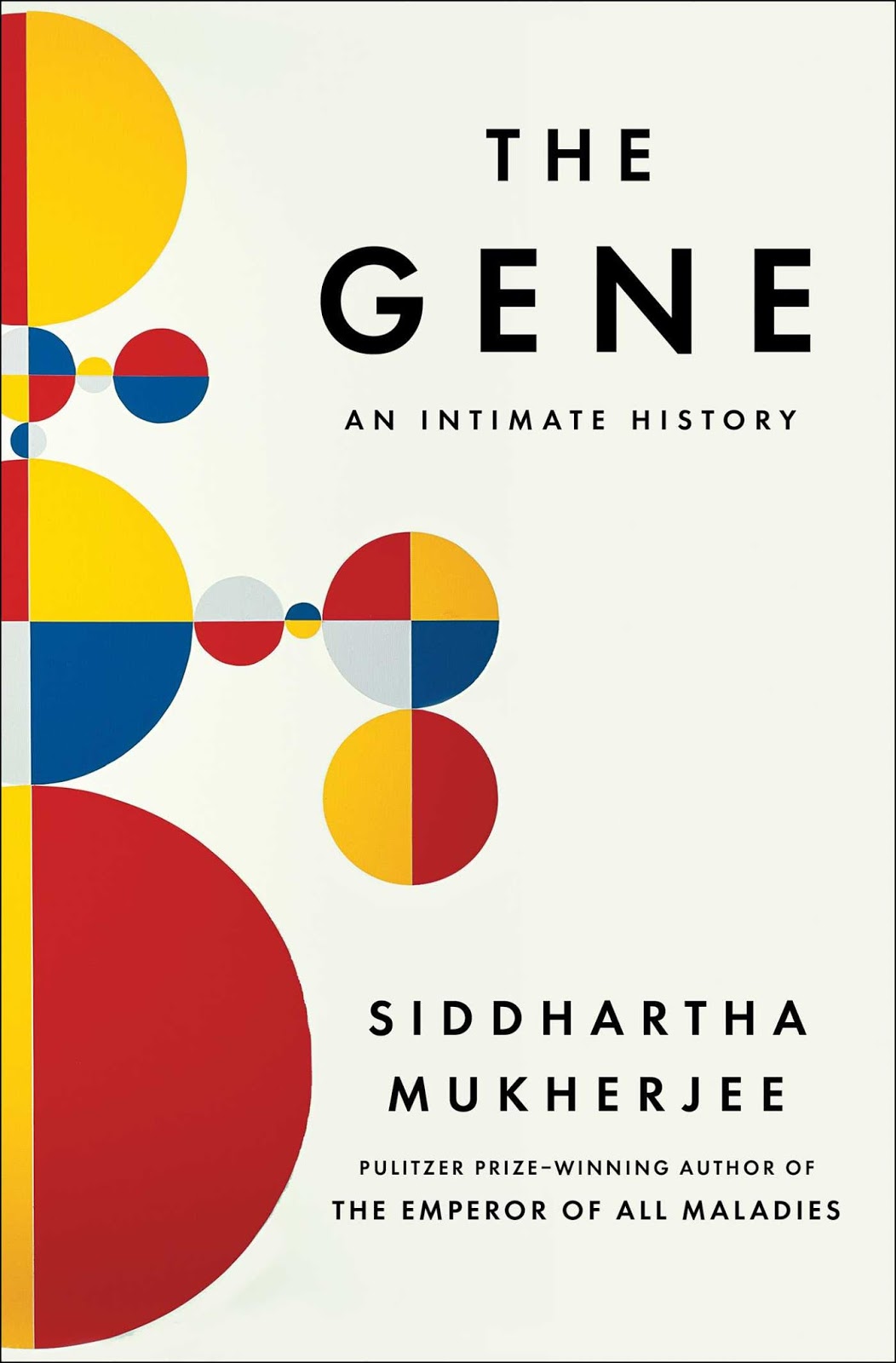
Siddhartha Mukherjee conta a história de parte importante destes eventos no ótimo “O Gene: uma história íntima”. Autor já premiado com o Pulitzer de jornalismo por um livro de divulgação científica sobre o câncer, o indiano Mukherjee, biólogo, médico oncologista e professor da Universidade de Colúmbia mostra-se digno de mais um prêmio com este trabalho bem escrito e recheado de informações interessantes. O autor traça um vasto painel com início nas crenças sobre a existência de um homúnculo no sêmen, que percorreria o corpo recolhendo características paternas e que ao ser implantado no útero seria nutrido para desenvolver-se até o nascimento; passa pelas descobertas de Mendel, que no século XIX introduziu a ideia de gene antes mesmo dele ser fisicamente conhecido; fala de Morgan e Muller, que afirmaram a natureza dos genes como estruturas biológicas; de Avery, que propôs o conceito de gene como forma química; de Tatum e Beadle, que nos anos 1930 descobriram (parcialmente) como os genes atuavam; de Watson, Crick, Wilkins e Franklin, que chegaram à estrutura química do DNA (que constituem os genes); e assim vai descrevendo o trabalho de muitos pesquisadores maravilhosos até chegar à engenharia genômica e às polêmicas terapias gênicas. E mais, não se detém em relatos de história da ciência, discute as complicadas questões éticas envolvidas tanto na pesquisa desta área quanto nos projetos de utilização prática do conhecimento adquirido e tecnologias desenvolvidas. De leitura bastante agradável, o livro informa e faz com que o leitor se envolva em reflexões sobre o bem e o mal praticável a partir de um saber, potencialmente tão poderoso. Entre tudo o que é incerto no campo da geração de conhecimento, que se move e transforma, é marcante nesta obra a noção de que a Natureza é extremamente forte, determinante e que não se converte fácil e diretamente em Cultura, mesmo considerando que esta última possa contribuir para aspectos de sua evolução. O autor mostra como no decorrer da segunda metade do século XX e início do XXl ficou quase impossível atribuir exclusivamente às vivências psicológicas e sócio culturais explicações sobre o comportamento humano como fizeram muitos cientistas sociais antes do enorme avanço recente das ciências biológicas. O trabalho de Mukherjee é precioso, especialmente porque a maioria de nós ainda não tem noção clara do que hoje se sabe através das pesquisas científicas, assim como do que não se pode mais sustentar como conhecimento válido. Fica também marcado o valor do respeito pelo que ignoramos, como uma forma de humildade inteligente, que acaba se convertendo em valorização do conhecimento e dos cuidados com os métodos para tece-lo.
Título da Obra: O GENE: UMA HISTÓRIA ÍNTIMA
Ano de Publicação Original: 2016
Autor: SIDDHARTHA MUKHERJEE
Tradução: LAURA TEIXEIRA MOTTA
Editora: COMPANHIA DAS LETRAS
Since Antiquity, human beings have sought answers to questions of heredity. Aristotle and Pythagoras already showed interest in the transmission of physical and behavioral traits across successive generations. Yet it took approximately two thousand years for the first concepts on the subject to emerge that were articulated with an eye toward scientific evidence—a true saga in the history of scientific knowledge.
Siddhartha Mukherjee recounts an important part of this journey in the excellent The Gene: An Intimate History. Already a Pulitzer Prize winner for journalism for a work of scientific popularization on cancer, the Indian-born Mukherjee—biologist, oncologist, and professor at Columbia University—proves worthy of yet another major distinction with this finely written book, rich in compelling information. The author traces a broad panorama that begins with ancient beliefs in the existence of a homunculus in semen—a tiny being thought to travel through the body collecting paternal traits and, once implanted in the uterus, to be nourished until birth. He moves on to Mendel’s discoveries, which in the nineteenth century introduced the idea of the gene even before it was physically identified; to Morgan and Muller, who asserted the biological nature of genes; to Avery, who proposed the gene as a chemical entity; to Tatum and Beadle, who in the 1930s partially uncovered how genes function; to Watson, Crick, Wilkins, and Franklin, who revealed the chemical structure of DNA (which constitutes genes). From there, Mukherjee continues through the work of many remarkable researchers, arriving finally at genomic engineering and the controversies surrounding gene therapies.
More than a history of science, the book engages deeply with the complex ethical questions involved both in research in this field and in projects aimed at the practical application of acquired knowledge and developed technologies. Highly pleasurable to read, the book informs while drawing the reader into reflections on the good and the harm that may arise from a form of knowledge potentially so powerful. Amid all that remains uncertain in the ever-shifting, evolving terrain of knowledge production, one idea stands out in this work: Nature is extraordinarily strong and determining, and it does not easily or directly convert into Culture, even while the latter may contribute to aspects of its evolution. Mukherjee shows how, over the course of the second half of the twentieth century and the beginning of the twenty-first, it became nearly impossible to attribute explanations of human behavior exclusively to psychological experience and socio-cultural factors, as many social scientists once did prior to the recent and enormous advances in the biological sciences.
Mukherjee’s work is invaluable, especially because most of us still lack a clear understanding of what contemporary scientific research has revealed—and of what can no longer be sustained as valid knowledge. The book also underscores the importance of respecting what we do not know, as a form of intelligent humility that ultimately translates into a deeper appreciation of knowledge itself and of the care required in the methods by which it is woven.
Title: The Gene: An Intimate History
Original Publication Year: 2016
Author: Siddhartha Mukherjee
Translator: Laura Teixeira Motta
Publisher: Companhia das Letras



 Estante do Justo
Estou adorando esse livro. Mais uma vez obrigado pela valiosa dica.
CurtirCurtir
Esse também está na minha lista.
CurtirCurtir
Eu gostei muito.
Obrigado por comentar
CurtirCurtir