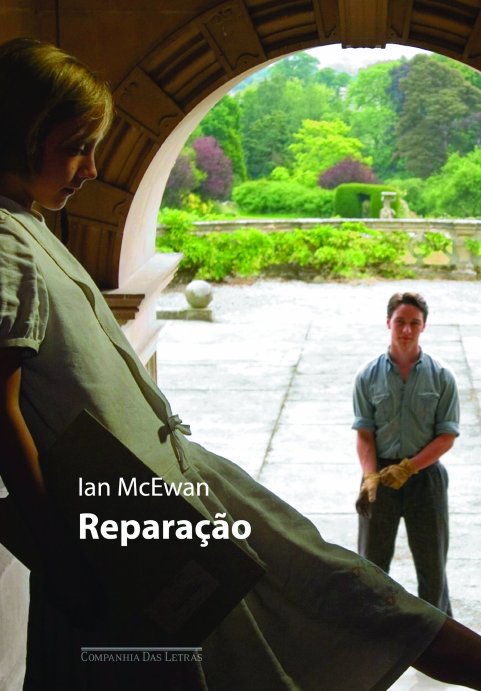
REPARAÇÃO

O insólito é quase um personagem na obra de Ian McEwan. De modos variados e sempre sutis esta característica que permeia a vida das pessoas, marca suas tramas e submete os personagens. A imprevisibilidade é uma de suas muitas faces. “Reparação” é provavelmente o maior romance deste britânico tão premiado. Construído com excelência, nunca priva o leitor dos sabores essenciais ao prazer da leitura. Mas, não se restringe a isto. McEwan seduz pela forma e pelo conteúdo. Talvez o tema mais constante em seus livros, incluindo este, seja a discussão sobre capacidade para a reflexão e comportamento ético de que podem dispor os indivíduos. Nada é óbvio. Aquilo que parece dado de imediato revela-se insuficiente, se não francamente enganoso. As questões com as quais seus personagens têm que se defrontar mostram-se aos poucos e estabelecem uma sofisticação à trama insuspeitada num primeiro momento. Refletem eventos ou possibilidade da vida de todos nós. Assim como o insólito no que experimentamos. Atraem-nos também por isto. Neste livro encontramos personagens capturados pelo engano que uma criança comete na interpretação de uma cena que presencia. Devido aos valores a que está tentando ser fiel, para que possa entrar no mundo dos adultos como alguém a quem se deve ouvir, ela toma providências que terão consequências profundamente transformadoras na vida de outros personagens. Seu engano e ato à ele inerente abrangerão os destinos daqueles que, estando a seu lado, não lhe eram suficientemente visíveis. E os enganos multiplicam-se como que descendendo do primeiro. A engenhosidade do escritor só torna isto compreensível ao final da leitura. ele surpreende como poucos criadores são capazes de fazer. E com tanta verdade, que não podemos nos furtar ao desconcerto, junto da admiração que passamos a sentir por seu talento. Olhamos para mais um dos elementos trágicos da vida: causarmos mal quando movemo-mo-nos para fazer o bem. A incerteza inescapável quanto ao que se constitui em mal e em bem. A impossibilidade de permanecer na neutralidade. A nossa responsabilidade pelo que somos e fazemos, mesmo que não o tenhamos escolhido. A incômoda diferença entre responsabilidade e culpa. O preço a pagar para não dissolver a ética.

Título da Obra: REPARAÇÃO

Autor: IAN McEWAN

Tradutor: PAULO HENRIQUES BRITTO

Editora: COMPANHIA DAS LETRAS
The unusual, the uncanny, is almost a character in the work of Ian McEwan. In varied and always subtle ways, this element—one that permeates human life—shapes his plots and governs his characters. Unpredictability is one of its many faces. Atonement is perhaps the greatest novel of this much-laureled British writer. Crafted with consummate skill, it never deprives the reader of the essential pleasures of reading. Yet it goes far beyond that. McEwan captivates both through form and through content.

Perhaps the most recurring theme in his fiction, including in Atonement, is the exploration of human capacity for reflection and for ethical conduct. Nothing is obvious. What first appears to be given, certain, or self-evident soon reveals itself to be inadequate—if not outright deceptive. The dilemmas his characters must face unfold gradually, endowing the narrative with a sophistication not at first suspected. They mirror events or possibilities drawn from the lives of us all—just as the uncanny finds its place in our own experience. That, too, is part of their allure.

In this novel, we encounter characters ensnared by a misunderstanding—a child’s misreading of a scene she happens to witness. Guided by the values she strives to uphold, yearning to be recognized within the adult world as someone to be heard, she takes actions that will have profoundly transformative consequences in the lives of others. Her mistake, and the act inseparable from it, will reach into the destinies of those around her—people she could not yet truly see. And the errors multiply, as if descending from that first one.

McEwan’s narrative artistry allows us to grasp the full extent of these consequences only at the end. He astonishes, as few writers can, with a truth so piercing that we are left disoriented and moved in equal measure—struck by both the tragedy he unveils and the brilliance with which he does so.

We are made to confront one of life’s tragic constants: our capacity to cause harm in the pursuit of doing good. The inescapable uncertainty of what truly constitutes good and evil. The impossibility of remaining neutral. Our responsibility for what we are and what we do, even when we did not choose it. And the troubling distinction between responsibility and guilt. The price to be paid so that ethics itself may not dissolve.


Would you like me to polish this translation slightly for publication-level rhythm and voice (for example, as if written for a literary review or essay collection in English)? That version would sound even more natural to native literary readers while maintaining the philosophical tone.

REPAR

1 comentário

Deixe um comentário