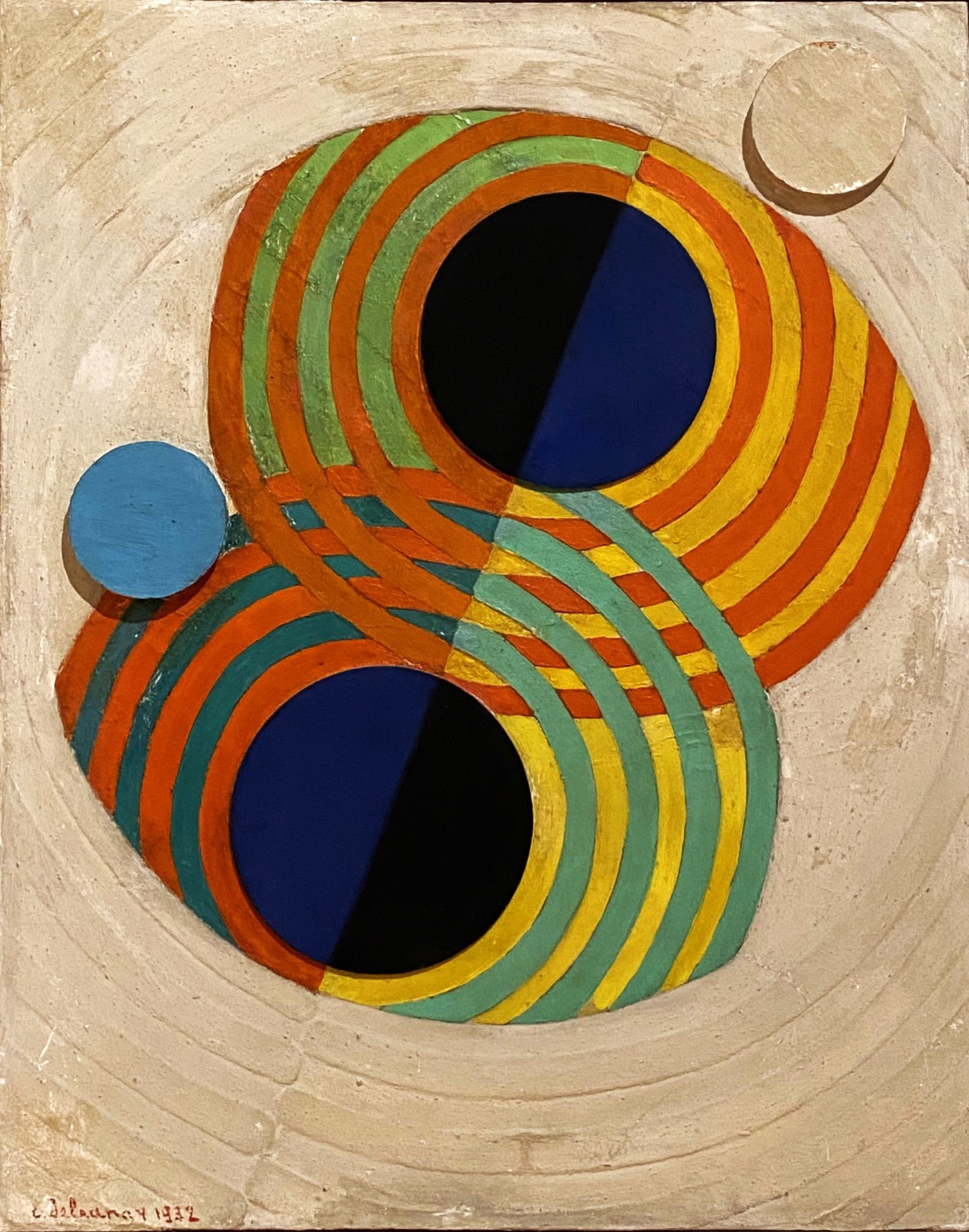
A imaginação pode ser fonte de encantamento e instrumentalizar operações essenciais no trânsito pela vida, embora possa ter também aspectos negativos. De modo geral, presume a habilidade de criar “imagens” mentais, simples ou complexas. Podem corresponder a formas “visualizáveis”, associadas a áreas da sensorialidade e, de modo importante, habitualmente compreendem ideias e afetos em sua composição. Geralmente um combinado de tudo isto. São sempre abstrações para as quais os seres humanos são dotados. Há resgate de elementos já conhecidos, memorizados, representando-os na consciência, frequentemente rearranjando-os, transformando-os. Mas não se restringe a isto, conta muito a adição contínua de outros recursos provenientes de fontes externas ao indivíduo. Constroem-se redes constantemente alimentadas pelo que é novo e em modificação perene. Basicamente a imaginação é uma função criadora, posto que não podemos tomá-la como simples reprodução do objetivamente vivido. Há sempre acréscimos e subtrações e mesmo ficcionalizações imensas e íntimas. Imaginar ajuda a construir a história de cada um.
A imaginação tem relação com a inteligência, talvez possa ser considerada um dos seus componentes. Todavia, ela deve ocupar campos relativamente delimitados no funcionamento mental. Captar a natureza e o espaço que lhe são próprios é necessário para estabelecer fronteiras entre realidade e não realidade, entre dimensões da realidade, entre crenças e evidências e muito mais daquilo que ajuda a viver tendo alguma noção dos rumos tomados.
Ler, estimula engrenagens criadoras na mente. Em muitos sentidos diferentes. Auxilia no desenvolvimento de habilidades da imaginação. Permite fantasiar, engendrar situações que mesmo só existindo virtualmente podem contribuir para melhor compreensão e ação na vida real. Além de propiciar uma modalidade especial de prazer. A leitura pode funcionar como um tonificante dos recursos imaginativos. Pode acarretar benefícios para o funcionamento cognitivo e afetivo, tornar a visão de mundo mais flexível e includente, robustecer o exercício da reflexão crítica, incidindo sobre convicções cristalizadas, excessivamente limitantes ou disfuncionais e alterá-las, gerando possibilidades imprevistas.
Quando se diz que ler pode tornar as pessoas mais inteligentes, afirma-se uma possibilidade realista. Isto inclui o fomento das capacidades imaginativas. Ao contrário de ser uma fuga da realidade, como alguns acreditam, o resultado do hábito de ler, de mergulhar numa leitura, pode fazer com que a pessoa desenvolva aptidões para entendimentos mais extensos do que se passa em seu universo. Ela não emergirá do mergulho exatamente do mesmo modo que era quando mergulhou. A leitura, mesmo que se considere somente a literatura ficcional, não aliena o indivíduo (embora possa ser eventualmente utilizada neste sentido e até servir para fundamento de distorções, etc). O exercício de ler pode sofisticar o pensamento. Viajar pelos textos feitos por outras mentes é transitar por um tipo de diversidade. Os livros e outros continentes de escrita estão recheados do que provém do imaginário de seus autores, de suas interpretações, problematizações e soluções. Há na leitura uma forma de comunicação, de ligação entre indivíduos. Há estímulos preciosos para o leitor. É como se as imaginações se conjugassem e derivassem para algo novo, que não estava totalmente contido no autor e nem no leitor. Certamente têm relevância a qualidade do que se lê e a possibilidade de ler com profundidade crítica. Parte do que se lê não passará pelo crivo seletivo do leitor, encontram-se leituras de mau conteúdo ou de formas toscas e talvez delas nada se aproveite. Todavia, a possiblidade do contrário sempre justifica a busca. O bom encontro entre escritor e leitor (sempre uma contingência) pode fazer parte dos processos civilizatórios. Não é tudo, mas é potencialmente muito.
Na ilustração: foto de obra de Robert Delaunay (França, 1885-1941)
Imagination can be a source of enchantment and an instrument for essential operations in our passage through life, although it may also have negative aspects. In general terms, it presupposes the ability to create mental “images,” whether simple or complex. These may correspond to “visualizable” forms, associated with areas of sensoriality, and, importantly, they usually comprise ideas and affects within their composition—generally a combination of all these elements. They are always abstractions with which human beings are endowed. There is a retrieval of elements already known and stored in memory, represented in consciousness, often rearranged and transformed. Yet imagination is not limited to this: the continuous addition of other resources drawn from sources external to the individual plays a major role. Networks are constantly built and nourished by what is new and perpetually changing. Fundamentally, imagination is a creative function, for it cannot be taken as a mere reproduction of what has been objectively lived. There are always additions and subtractions, and even immense, intimate fictionalizations. Imagining helps to construct each person’s own history.
Imagination is related to intelligence and may perhaps be considered one of its components. Nevertheless, it must occupy relatively delimited fields within mental functioning. To grasp its nature and its proper place is necessary in order to establish boundaries between reality and non-reality, between different dimensions of reality, between beliefs and evidence, and much else that helps one live with some notion of direction.
Reading stimulates the mind’s creative mechanisms in many different ways. It aids in the development of imaginative abilities. It allows one to fantasize, to engender situations that, even if they exist only virtually, may contribute to a better understanding of and action within real life, in addition to providing a special form of pleasure. Reading can function as a tonic for imaginative resources. It may bring benefits to cognitive and affective functioning, make one’s view of the world more flexible and inclusive, strengthen the exercise of critical reflection, challenge crystallized, excessively limiting or dysfunctional convictions, and alter them, generating unforeseen possibilities.
When it is said that reading can make people more intelligent, a realistic possibility is being affirmed. This includes the fostering of imaginative capacities. Far from being an escape from reality, as some believe, the result of the habit of reading—of immersing oneself in a book—may be that a person develops a broader understanding of what unfolds in their universe. One does not emerge from such an immersion exactly as one was when entering it. Reading, even if we consider only fictional literature, does not alienate the individual (although it may occasionally be used for that purpose and even serve as a basis for distortions, and so forth). The act of reading can refine thought. To travel through texts fashioned by other minds is to traverse a form of diversity. Books and other continents of writing are filled with what arises from their authors’ imaginations, their interpretations, problematizations, and solutions. In reading there is a form of communication, a bond between individuals. There are precious stimuli for the reader. It is as if imaginations were to converge and drift toward something new, not wholly contained either in the author or in the reader. The quality of what is read and the possibility of reading with critical depth are certainly relevant. Some of what is read will not pass through the reader’s selective sieve; there are works of poor content or crude form, from which perhaps nothing can be gained. Nevertheless, the possibility of the opposite always justifies the search. The fortunate encounter between writer and reader (always a contingency) may form part of civilizing processes. It is not everything, but it is potentially a great deal.
In the illustration: photograph of a work by Robert Delaunay (France, 1885–1941).

 Estante do Justo
Obrigado professor, excelente texto. Agradeço por compartilhar.Silas Ferreira
CurtirCurtido por 1 pessoa
Muito obrigado por seu comentário
CurtirCurtir