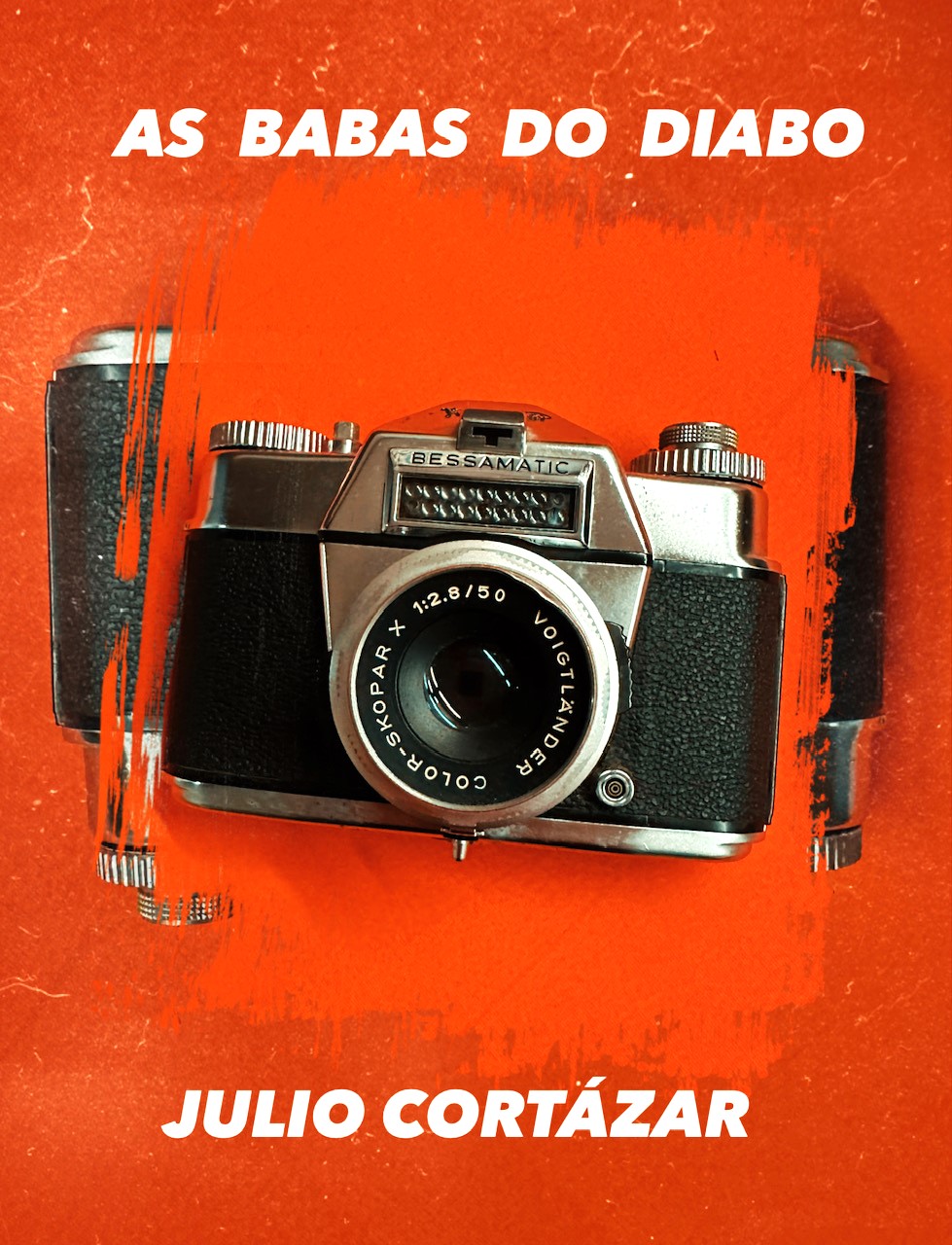
Dentro da vastidão de conceitos de realidade há quem a defina como antônimo de idealidade. Nesta contraposição, o termo realidade frequentemente equivale ao que efetivamente existe no mundo externo ao ajuizamento dos indivíduos e que é independente de suas singularidades, de sua maquinaria cognitiva e desejante; idealidade, inversamente, diz respeito ao domínio exclusivo do mundo interno de cada pessoa, do que ela produz intelectivamente a partir do que é transitoriamente em cada momento, o que inclui a concepção sobre a natureza do mundo externo e a influência deste sobre ela. O artifício da aparente polaridade com esta demarcação de campos é, possivelmente, uma das muitas crenças ilusórias, forjadas num didatismo simplista, servindo como instrumento para tornar o viver menos caótico e assustador. Funciona como um tipo de bússola para transitar por infinitos desertos em seu vazio de razão e de destinos traçados para os humanos, por onde temos que seguir todos, enquanto vivemos e devemos responsabilizar-nos por nossos passos.
Há muitas trajetórias possíveis partindo de cada noção assumida sobre o que é realidade. Extensos sistemas filosóficos ocupam-se disto. No necessário pragmatismo da vida prática e comum certas convicções, talvez mais simplórias, ganham peso. Tudo parece mais claro para aqueles que não mergulham nas profundezas da dúvida, pois não estão suficientemente equipados para tal mergulho ou não o querem. A maioria não aspira profundidade nem largueza de conjecturas que geralmente parecem supérfluas diante das inescapáveis demandas do cotidiano.
Talvez menos ingênuo seria não aderir a nenhuma das formas de compreensão fechadas sobre realidade e idealidade. A ideia de que elas constituem mesclas dinâmicas que as fazem indistinguíveis entre si e resistentes aos esforços de análise e depuração seja mais compatível com a evitação dos embustes intelectuais e de precariedades comezinhas. Mesmo que algo de real e concreto proveniente de mundo de fora permeie o que cada um é, faça e saiba, há um abismo entre a magnitude do desconhecido, que se recria infindavelmente, e a potência humana para conhecimento irrefutável sobre qualquer coisa. Certezas são miragens.
“As Babas do Diabo” é um conto de Julio Cortázar (argentino nascido na Bélgica em 1914 e falecido na França em1984) publicado em 1959 e que alguns anos mais tarde inspirou o roteiro do filme icônico “Blow-Up” de Michelangelo Antonioni (Itália, 1912-2007). Apesar de suas poucas páginas, há uma imensidão de caminhos para o leitor refletir sobre o que está dito, entredito ou sobre os possíveis sentidos criados pelo não dito, tendo como referências suas fronteiras. O protagonista é um homem que escreve numa máquina de datilografia e sente-se na obrigação de contar algo. Também é fotógrafo e nesta área expõe-se mais francamente ao acaso. Sai a passeio por Paris numa manhã de domingo, munido de sua câmera e nota um episódio em curso, envolvendo três pessoas, que o intriga. Interpreta-o de um determinado modo enquanto o assiste e fotografa. Posteriormente, a partir da revelação da fotografia e das perspectivas pelas quais a observa, concebe entendimentos diversos do que pensara inicialmente sobre o que se passava entre os personagens da cena enquanto ele estava no lugar, como testemunha ocular do que acontecia. Não é possível dizer o que verdadeiramente significava o que viu nem o que registrou fotograficamente. Mas as suposições ganham protagonismo na necessidade de constituir um relato e justificar ações praticadas ou que o deveriam ser. Tudo é vago, fluido quanto aos processos de significação. É o que o narrador propões ao leitor interessado no enredo. A dubiez se avoluma e banalidades tomam o espaço do que deveria ser essencial, caso isto fosse acessável.
Considerar a situação a partir da perspectiva do protagonista de Cortázar exige sofisticação e sutileza do leitor/observador. Querer retratar e conferir exatidão ao que se vivencia é destinar-se à frustração. O que há para ser congelado numa imagem não perde a plasticidade interpretativa, mesmo depois de concluído o processo de fixação numa foto. Aquele que escolhe e recorta na paisagem que pode ver naquilo que irá fotografar está fadado a capturar mais e menos do que pretende. As imagens que revela num estúdio e depois analisa transformam-no em uma engrenagem que não pode se munir da exatidão presumida nas máquinas. Estas acabam contribuindo para revelar exatamente isto. Não há estabilidade no passado, do mesmo modo que não há no presente nem no futuro. O ato de fotografar e depois de analisar a imagem revelada são duas dimensões de contemplação que seccionam o conto. Dão-lhe movimento e disparam um sistema caleidoscópico de possibilidades de entendimento. É um desafio à racionalidade sem a cancelar, muito ao contrário disto. Algo especialmente visível nos comentários do narrador sobre a credibilidade que pode dar ao que percebe e ao que deduz a partir do que enxerga. Como nas vidas de todos, vividas antes de uma narrativa sobre elas, em quaisquer circunstâncias.
A cada nova leitura de “As Babas do Diabo” é plausível que o leitor encontre um conto diferente. Cortázar é quase o avesso de Descartes no “cogito”. Com o escritor argentino não há “cogito ergo sum”, pois o existir se dá na instabilidade do que se é, também pelo que se pensa. O que não se fixa numa foto. E dizer isto pode ser uma redução excessiva, uma minudência diante da imensidão do que Cortázar oferece com o que escreve.
Magia verdadeira da razão. Descarte das elocubrações comprometidas com um realismo cartesiano.
Título da Obra: AS BABAS DO DIABO (um dos contos de AS ARMAS SECRETAS)
Autor: JULIO CORTÁZAR
Tradutor: ERIC NEPOMUCENO
Editora: CIVILIZAÇÃO BRASILEIRA
Within the vastness of concepts of reality, there are those who define it as the antonym of ideality. In this opposition, reality is often taken to mean what effectively exists in the external world, independent of individuals’ singularities—their cognitive and desiring machinery. Ideality, conversely, pertains to the exclusive domain of each person’s inner world, to what one intellectually produces out of one’s transient being at each moment, including one’s conception of the nature of the external world and its influence upon oneself. The artifice of this apparent polarity—a demarcation of fields—is, quite possibly, one of many illusory beliefs forged through a simplistic didacticism, serving as a tool to make living less chaotic and frightening. It functions as a kind of compass with which to traverse infinite deserts—deserts barren of reason and of paths traced for human beings—through which we must all pass while we live and must take responsibility for each step.
There are countless trajectories available depending on the notion of reality one adopts. Entire philosophical systems are devoted to this. In the pragmatism required by ordinary life, certain convictions, perhaps more rudimentary, acquire weight. Everything seems clearer to those who do not plunge into the depths of doubt—whether because they are not sufficiently equipped for such a plunge or because they simply do not wish to take it. Most people do not aspire to the depth or breadth of conjecture that may seem superfluous in the face of the inescapable demands of daily life.
Perhaps less naïve than adhering to any closed form of understanding regarding reality or ideality would be to reject such forms entirely. The idea that they constitute dynamic mixtures—rendering them indistinguishable from one another and resistant to efforts of analysis and purification—may be more consonant with the avoidance of intellectual snares and commonplace precarities. Even if something real and concrete from the outer world permeates what each person is, does, and knows, there remains a chasm between the magnitude of the unknown, endlessly regenerating itself, and the human capacity for irrefutable knowledge of anything. Certainties are mirages.
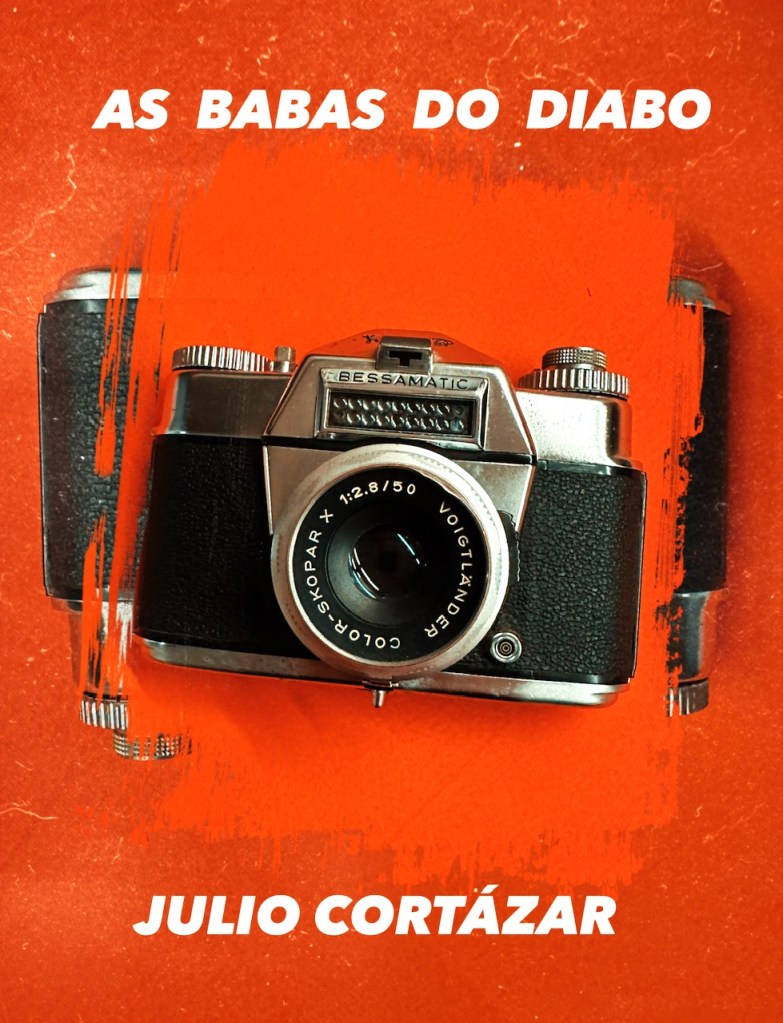
“The Devil’s Drool” is a short story by Julio Cortázar (an Argentine writer, born in Belgium in 1914 and deceased in France in 1984), published in 1959 and later used as inspiration for Michelangelo Antonioni’s iconic film Blow-Up (Italy, 1912–2007). Despite its few pages, it offers an immensity of paths for the reader to reflect on what is said, implied, or on the possible meanings generated by what remains unsaid—within the boundaries the text itself provides. The protagonist is a man who writes on a typewriter and feels obligated to recount something. He is also a photographer, and in that craft he exposes himself more openly to chance. On a Sunday morning walk through Paris, camera in hand, he notices an unfolding episode involving three people, which intrigues him. He interprets it in a particular way as he witnesses and photographs it. Later, after the photograph is developed and examined from several perspectives, he conceives understandings entirely distinct from those he had initially formed about what was happening among the characters in the scene he observed as an eyewitness. It becomes impossible to determine what the event truly meant—either what he saw or what the photograph captured. Yet the suppositions take center stage in the necessity of constructing a narrative and justifying actions taken or that ought to have been taken. Everything is vague, fluid, unstable in its processes of meaning-making. It is precisely this that the narrator proposes to the reader who follows the tale. Ambiguity expands, and trivialities occupy the space of what should be essential—if such a thing were accessible at all.
To consider the situation from the protagonist’s perspective requires sophistication and delicacy from the reader-observer. To seek to portray and confer exactness upon what one experiences is to invite frustration. What can be frozen in an image does not lose its interpretive plasticity, even after the photographic process is complete. The one who chooses and frames a portion of the landscape is doomed to capture both more and less than intended. The images revealed in the studio and then pondered over transform the photographer into a cog that can never equip itself with the presumed accuracy attributed to machines. These machines end up revealing precisely this. There is no stability in the past, just as there is none in the present or the future. The act of photographing and, later, of analyzing the revealed image constitute two dimensions of contemplation that divide the story. They endow it with movement and set off a kaleidoscopic system of interpretive possibilities. It is a challenge to rationality—without cancelling it, quite the opposite. This is especially visible in the narrator’s comments on the credibility he can grant to what he perceives and to what he deduces from what he sees. Much like our own lives, always lived before any narrative about them, whatever the circumstances.
With every new reading of “The Devil’s Drool,” the reader may well encounter an entirely different story. Cortázar is almost the inverse of Descartes’s cogito. With the Argentine writer, there is no cogito ergo sum, for existence is given in the instability of what one is—and of what one thinks. What is not fixed in a photograph. And to say even this may be an excessive reduction, a smallness in the face of the immensity of what Cortázar offers in his writing.
True magic of reason. A discarding of those ruminations committed to a Cartesian realism.
Title of the Work: The Devil’s Drool (one of the stories from Secret Weapons)
Author: Julio Cortázar
Translator: Eric Nepomuceno
Publisher: Civilização Brasileira

 Estante do Justo
Conforme combinado, lá vai a dica de agência de viagens diferenciada: https://www.slowtravelers.com.br/
CurtirCurtido por 1 pessoa
Obrigado
CurtirCurtir