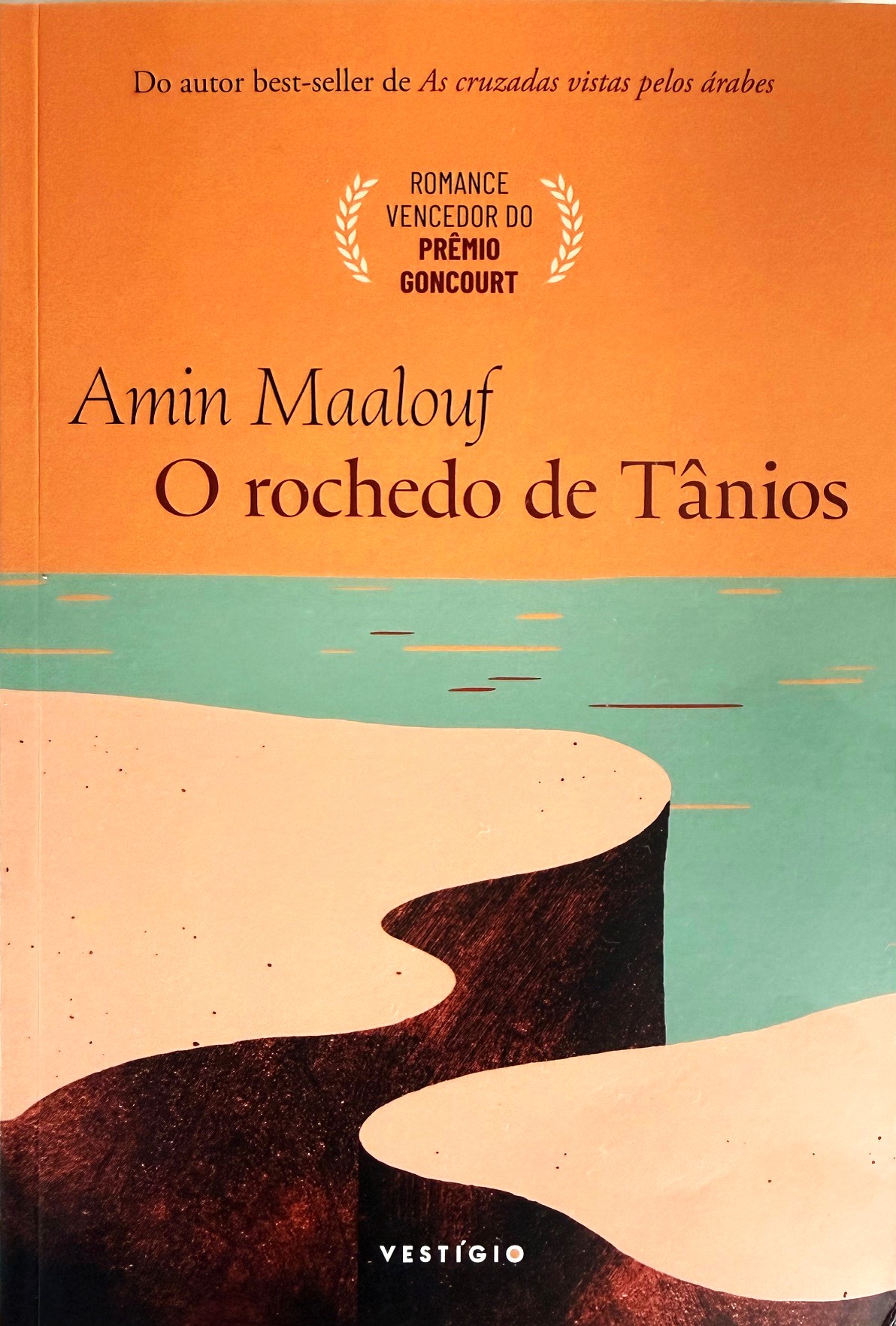
O Líbano, cujo território é habitado desde tempos remotos. Na Antiguidade foi a terra dos fenícios, importantes comerciantes que transitavam por diversos países banhados pelo Mar Mediterrâneo. Esteve sob domínio ou influência de diversas civilizações ou nações. Entre os povos que exerceram papel marcante no território libanês contam-se gregos, romanos, otomanos e franceses. Questões sobre a relação das transformações do País com a identidade dos libaneses foram registradas ao longo da História. São amplas e complexas, desdobrando-se em muitas direções. AMIN MAALOUF (nascido em Beirute em 1949), residente na França desde 1976, tornou-se cidadão francês, ganhou o Prêmio Goncourt com o romance “O ROCHEDO DE TÂNIOS” e através da combinação de ficção com o cenário histórico aborda aspectos relevantes da vida no Líbano durante o século XIX.
No enredo Tânios sabia quem era sua bela mãe mas, a partir da adolescência, passou a ter dúvidas sobre seu pai biológico. Muito do que ouvia levava-o a crer que era filho do xeique local, homem que com frequência impunha-se como amante às mulheres de seus domínios. O marido de sua mãe, aparentemente, não era o responsável por seu nascimento. Tânios amava sua terra e muitas das pessoas que a habitavam. Percebia as dificuldades comuns a todos na vida cotidiana, para o que contribuíam bastante as relações de poder. Uma hierarquia bem definida fixava cada um em seu lugar, sem muitas perspectivas de mudanças. Quando teve oportunidade de frequentar uma escola comandada por um pastor inglês desenvolveu grande amor pelo conhecimento e passou a ansiar por oportunidades de renovação no modo de viver. Aventurou-se, estabelecendo relações temerárias com um inimigo do xeique, seu ex-funcionário, então rico e poderoso, que morava na vizinhança. Cedo se apaixonou, teve várias decepções e viu-se envolvido em uma situação limite que o obrigou a fugir para Chipre, com o homem que assumiu sua paternidade e o criou. Passado algum tempo, voltou, ganhou quase acidentalmente posição de prestígio, conheceu glória e infortúnios inerentes à governança dos homens de sua aldeia. Seu destino foi retorcido pelos problemas que convulsionavam sua pátria. O mar foi o caminho para buscar a liberdade, ao menos a liberdade de desejar o que não estava predeterminado para ele.
AMIN MAALOUF, além de escrever ficção e contar estórias com muita habilidade, é um homem de vasta cultura e refinamento na interpretação das realidades humanas. Publicou ensaios de muito sucesso. Em “O ROCHEDO DE TÂNIOS” ele trata de História e revela seu talento como pensador. Tudo bem costurado ao que é criação ficcional. A formação das identidades, seja na singularidade de cada pessoa ou naquilo que é determinado pelo pertencimento a um coletivo é tema importante. Também o é a possibilidade/necessidade de interferir naquilo que parece ser o destino, como um futuro inescapável, determinado por forças distantes e estranhas aos sentimentos mais verdadeiros, às crenças ou às evidências descobertas no mundo. Não é pouca coisa poder falar disto e convidar o leitor a refletir sobre os desafios envolvidos, que, olhados com mais cuidado, são universais.
Título da Obra: O ROCHEDO DE TÂNIOS
Autor: AMIN MAALOUF
Tradutora: JULIA DA ROSA SIMÕES
Editora: VESTÍGIO
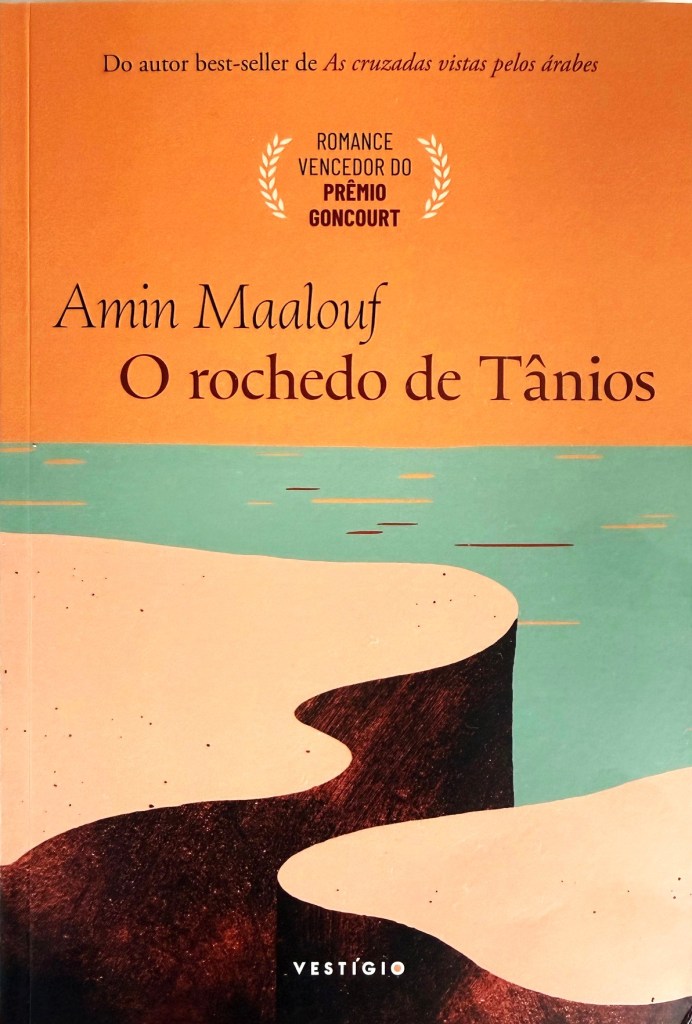
THE ROCK OF TANIOS
Lebanon, whose territory has been inhabited since remote times, was in Antiquity the land of the Phoenicians—important merchants who traveled through many countries bordering the Mediterranean Sea. It came under the rule or influence of various civilizations and nations. Among the peoples who played a significant role in Lebanese territory were the Greeks, Romans, Ottomans, and French. Questions concerning the relationship between the country’s transformations and Lebanese identity have been recorded throughout history. They are broad and complex, unfolding in many directions. Amin Maalouf (born in Beirut in 1949), a resident of France since 1976 who later became a French citizen, won the Goncourt Prize with the novel The Rock of Tanios and, through a combination of fiction and historical setting, addresses relevant aspects of life in Lebanon during the nineteenth century.
In the narrative, Tanios knew who his beautiful mother was, but from adolescence onward he began to harbor doubts about his biological father. Much of what he heard led him to believe that he was the son of the local sheikh, a man who frequently imposed himself as a lover upon the women of his domain. His mother’s husband, apparently, was not responsible for his birth. Tanios loved his land and many of the people who inhabited it. He perceived the difficulties common to all in daily life, difficulties to which relations of power contributed greatly. A well-defined hierarchy fixed everyone in their place, with little prospect of change. When he had the opportunity to attend a school run by an English pastor, he developed a profound love of knowledge and began to yearn for opportunities to renew his way of living. He ventured forth, establishing perilous relations with an enemy of the sheikh—a former employee who had become rich and powerful and lived nearby. He fell in love early, suffered several disappointments, and found himself entangled in an extreme situation that forced him to flee to Cyprus with the man who assumed his paternity and raised him. After some time, he returned, almost accidentally attained a position of prestige, and experienced both glory and the misfortunes inherent in governing the men of his village. His destiny was twisted by the problems that convulsed his homeland. The sea became the path toward seeking freedom—at least the freedom to desire what had not been predetermined for him.
Amin Maalouf, beyond writing fiction and telling stories with great skill, is a man of vast culture and refined insight into human realities. He has published highly successful essays. In The Rock of Tanios, he engages with history and reveals his talent as a thinker, all seamlessly interwoven with fictional creation. The formation of identities—whether in the singularity of each person or in what is shaped by belonging to a collective—is a central theme. Equally important is the possibility, or necessity, of intervening in what appears to be destiny: a seemingly inescapable future determined by forces distant and alien to the most authentic feelings, beliefs, or discoveries made in the world. It is no small thing to speak of this and to invite the reader to reflect upon the challenges involved, which, when examined more closely, prove to be universal.
Title of the Work: The Rock of Tanios
Author: Amin Maalouf
Translator: Julia da Rosa Simões
Publisher: Vestígio

 Estante do Justo