THE DEAD
OS MORTOS
Os que vivem guardam os mortos, os seus mortos. Os mortos personificados como os antepassados ou como aquilo que se estratificou na história de cada um, assim como na unidade grupal e na grande História. Representam muito, contribuem para a formação de paridades. São objetos de apelo dos vivos, referências fundadoras. A eles atribuem-se elementos do bem e do mal. Assombram e iluminam. São memória e esperança de sobrevivência, de afirmação de valores, de costumes, de identidades. Há os que os glorificam e aqueles que, de um certo modo, deixam-nos para trás em busca do novo, recusam as formas mais estritas de pertencimento aos seus, ainda que conservem involuntariamente algo do que deles herdaram. O mais célebre conto de JAMES JOYCE (Dublin1882 – Zurique, 1941) é intitulado “OS MORTOS”, faz parte de “DUBLINENSES” e trata com elegante suavidade destes temas.
O enredo de “OS MORTOS” desenvolve-se durante e logo após um baile doméstico, oferecido aos amigos e familiares, por duas irmãs já idosas, Kate e Julia, e sua sobrinha, Mary Jane, que vivem juntas. É uma festa natalina. Seu protagonista maior chama-se Gabriel (como o arcanjo que anunciou o nascimento de Cristo). É outro sobrinho de duas das habitantes da casa e primo da terceira, muito querido por elas. Presença essencial para que o evento seja o que deve ser. A espera por sua chegada, junto com a esposa Gretta, promove inquietação nas anfitriãs. Acompanhando Gabriel ao longo da estória o leitor vai encontrando os outros personagens, pode ver um retrato do ambiente e, especialmente, vislumbrar questões importantes para eles, que tipificam irlandeses daquela época.
Os diálogos, aparentemente moldados por formalidades sociais, são veículos para as ideias que fervilhavam naquele momento e que dividiam os habitantes da Irlanda entre os anglófilos, que admitiam a dominação da Inglaterra e, até certo ponto, eram permeáveis ao que acontecia lá e no resto da Europa, aderindo aos hábitos e transformações daquelas sociedades, e os nacionalistas, que desejavam preservar a independência do País e cultivavam as tradições que aos poucos iam sendo abandonadas pelos outros. Os mortos são os que constituíam a vida típica da Irlanda mais antiga, que falavam o gaélico e conservavam resquícios de costumes celtas. Questões religiosas entram neste campo, pois motivavam cisões acentuadas entre as pessoas. As crenças e adesões vinculadas à Igreja Católica por um lado e ao protestantismo por outro surgem com frequência no texto. As citações sobre música também são significativas, tanto no aspecto laico quanto no religioso. Neste bojo, no final do conto, Gretta traz à cena um amigo seu do tempo de adolescência, Michael (possível ligação com o arcanjo que luta contra o demônio) e que morreu naquela época. Ela chora por ele, por sua perda, de modo incompreensível para Gabriel que olhava para o mundo atraído pelo futuro, o qual não estava necessariamente enterrado na identidade do povo ao qual pertencia. Durante a festa ele recebe áspera crítica de uma das convidadas, sugerindo que seja um anglófilo, quando revela sua intenção de passar férias no continente europeu e ela sugere que Gabriel deveria trocar isto por uma viagem ao interior da Irlanda, no que é apoiada por Gretta.
O conto é construído com grande sutileza e é rico em possibilidades de interpretação de eventos que aparentam simplicidade e convencionalismo. Bastante sintônico com a maior parte dos outros contos de “DUBLINENSES”.
Título da Obra: OS MORTOS
Autor: JAMES JOYCE
Tradutor: CAETANO W. GALINDO
Editora: PENGUIN/COMPANHIA
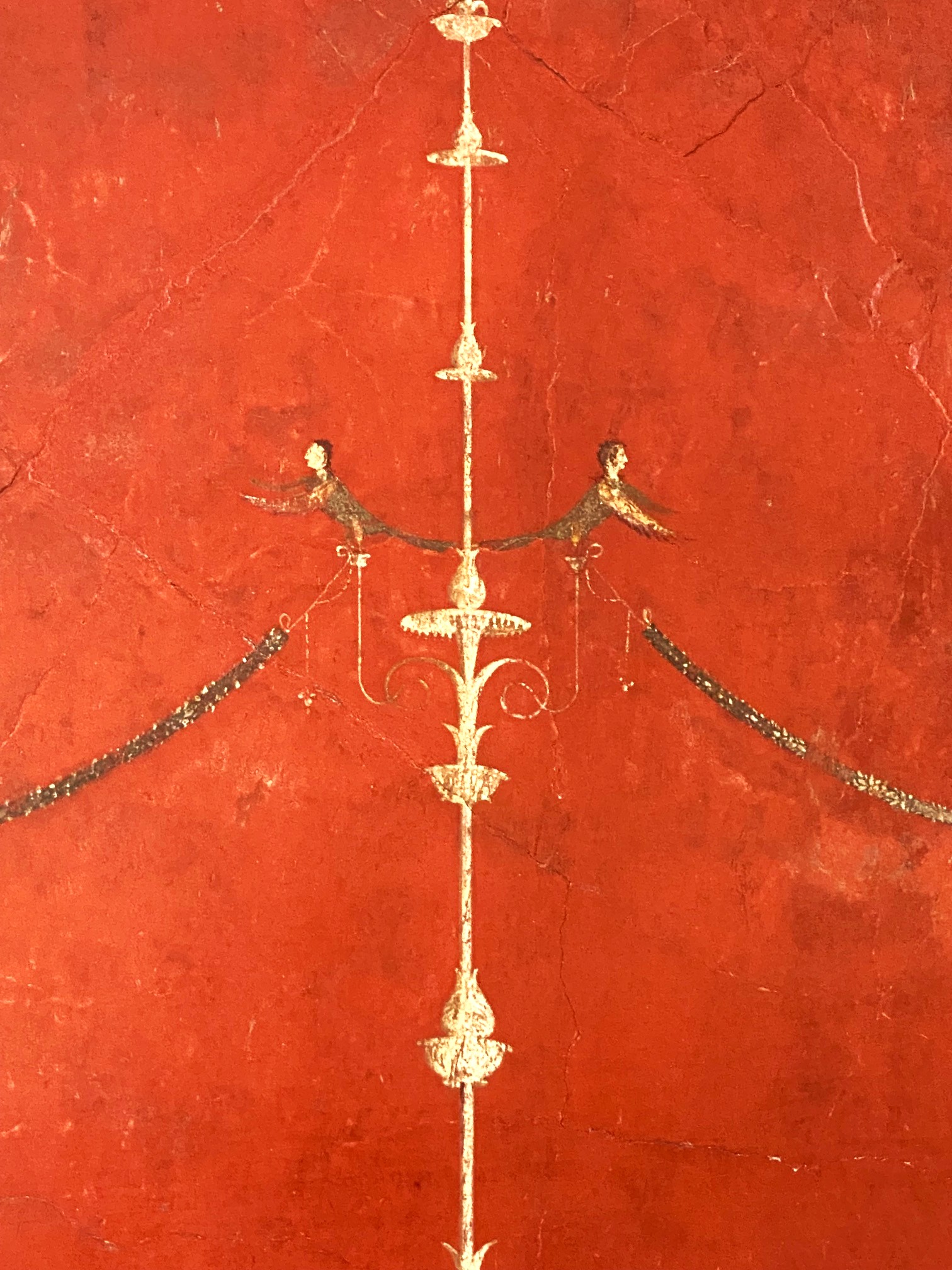
Na ilustração foto de detalhe de afresco romano (MET-NY)
THE DEAD
The living keep the dead — their dead. The dead, personified as ancestors or as all that has become layered within the history of each individual, of the family unit, and of History itself. They signify much: they help shape kinships and likenesses. They are objects of invocation, founding references. To them are ascribed the elements of good and evil. They haunt and they illuminate. They are both memory and the hope of survival — of the preservation of values, customs, and identities. Some glorify them; others, in pursuit of the new, leave them behind, refusing the strictest forms of belonging, even while involuntarily retaining something of what they have inherited.
The most celebrated of James Joyce’s (Dublin, 1882 – Zurich, 1941) short stories, The Dead, forms part of Dubliners and treats these themes with elegant subtlety.
The narrative of The Dead unfolds during — and shortly after — a domestic dance hosted by two elderly sisters, Kate and Julia, and their niece Mary Jane, who all live together. It is a Christmas gathering. Its principal figure, Gabriel (named, like the archangel who announced the birth of Christ), is the beloved nephew of two of the hostesses and cousin to the third. His presence is essential for the event to become what it must be. The anticipation of his arrival, along with that of his wife Gretta, stirs unease among the sisters.
Following Gabriel through the story, the reader encounters the other guests, glimpses the social milieu, and perceives — often beneath the surface — matters that defined these people and typified the Irish of that time.
The dialogues, outwardly shaped by social formalities, serve as vessels for the ideas then simmering beneath Dublin’s polite veneer — ideas that divided the Irish between the Anglophiles, who accepted English domination and were, to some degree, open to the currents flowing from England and continental Europe, adopting their habits and transformations, and the nationalists, who sought to preserve Ireland’s independence and to sustain traditions gradually being abandoned by others.
The dead represent those who had embodied the older, truer Ireland — speakers of Gaelic, keepers of faint Celtic customs. Religious questions emerge naturally within this sphere, for they too created deep rifts among people. Beliefs and allegiances tied to the Catholic Church on one side, and to Protestantism on the other, recur throughout the text. References to music, both sacred and secular, hold equal weight, marking the emotional and cultural rhythms of the story.
It is within this framework that, at the story’s close, Gretta recalls a young friend from her adolescence, Michael (perhaps an echo of the archangel who contends with the demon), who had died in those distant years. She weeps for him — for his loss — in a way that bewilders Gabriel, who has until then viewed life as something directed toward the future, a future not necessarily anchored in the identity of the people to whom he belongs.
During the festivities, Gabriel is sharply criticized by one of the guests, who hints that he is an Anglophile when he speaks of spending his holidays on the European continent; she suggests instead that he should travel through the Irish countryside — a suggestion Gretta warmly endorses.
The tale is crafted with remarkable delicacy, rich in the interpretive possibilities that arise from events seemingly simple and conventional — fully attuned to the quiet depth and irony that suffuse the other stories of Dubliners.
Title of the Work: The Dead
Author: James Joyce
Translator: Caetano W. Galindo
Publisher: Penguin / Companhia das Letras
(Illustration: detail of a Roman fresco, MET–NY.)


 Estante do Justo