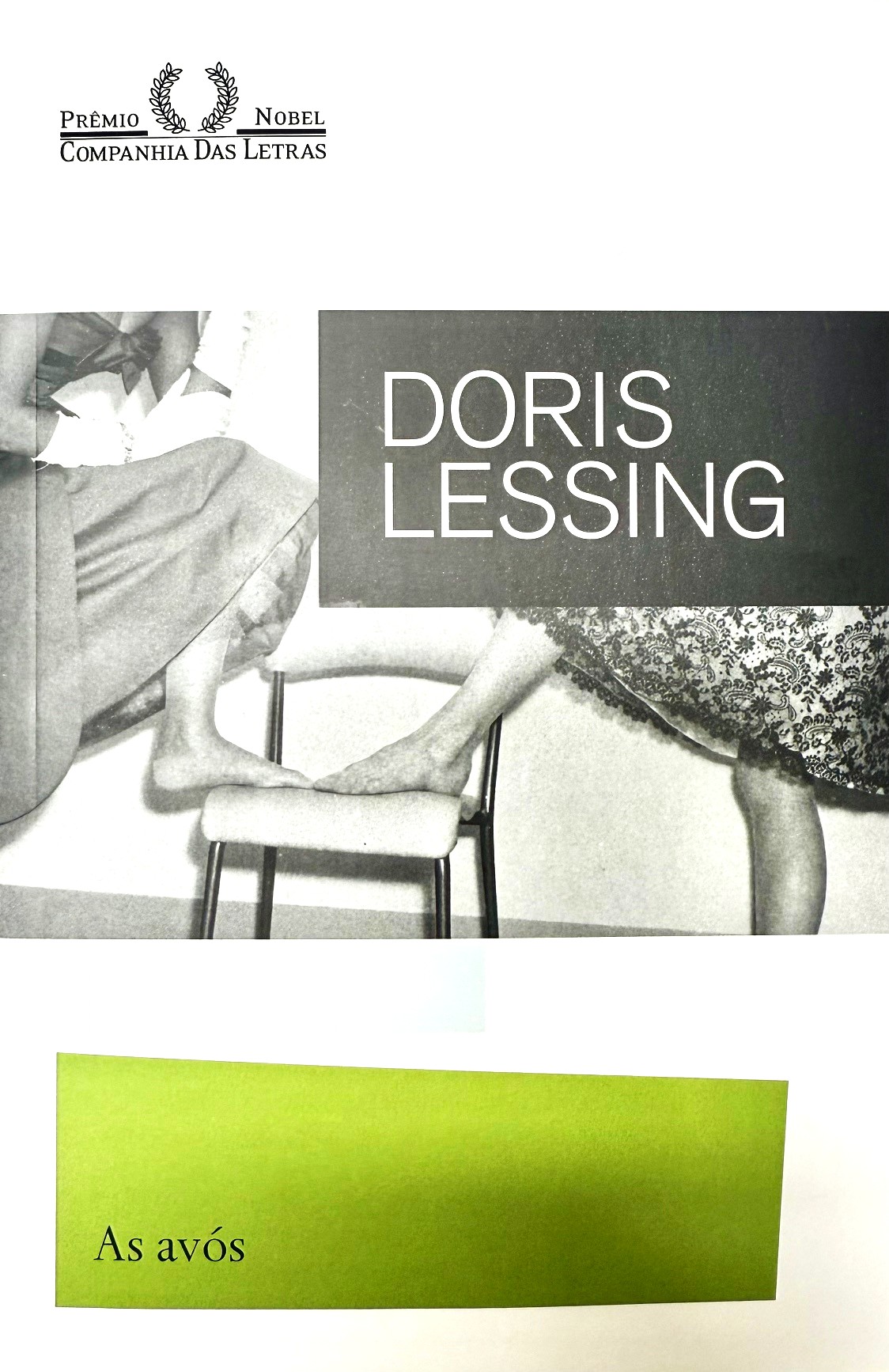
DORIS LESSING (Pérsia, 1919 – Inglaterra 2013) conheceu muitos modos de vida, residindo em diferentes continentes e países. Ganhou a rara capacidade de enxergar os humanos com suas questões, sem cair em armadilhas maniqueístas. Recebeu o Prêmio Nobel de Literatura em 2007, mas dá para dizer também que o Nobel foi agraciado com Doris Lessing. Em “AS AVÓS” mostra um pouco do que nos legou com seus dons.
“AS AVÓS” é o título de uma novela que fala de aspectos muito vivos das relações entre pessoas próximas. Elegante, pela forma e pela coragem de tratar com naturalidade temas sensíveis. O foco narrativo é conduzido por duas amigas da vida inteira, juntas da infância ao princípio da velhice. Elas se amam profundamente e com tanta verdade que desconcertam muitos dos personagens com quem convivem e, possivelmente, também a leitores em prontidão para julgá-las, especialmente os que não prescindem de estereótipos balizadores para o entendimento do mundo. Elas são Roz e Lil. Cada uma tem um filho. Eles são criados quase como irmãos. A relação delas com os rapazes é um dos pontos de ousadia da autora.
Muitos consideram Doris Lessing uma feminista. Difícil dizer se esta é uma designação apropriada. Talvez seja uma etiqueta muito limitada para dizer algo sobre a autora. Ela foi muito mais. Expressou um modo de pensar original, preciso, afirmativo e bem distante das palavras de ordem mais primitivas, em torno das quais costumam se agrupar mulheres e homens lutando por equanimidade entre os gêneros. Nesta estória não é só o lugar da mulher que está em jogo, mas os tipos de vínculos que surgem em convivências íntimas, as contradições relacionadas com as prescrições normativas de conduta que contribuem para modelar grande parte das sociedades. São amplas as dimensões das concepções de amor em Lessing, algo derivado da percepção do que pode ser mais verdadeiro nas relações entre pessoas. Diz tudo com delicadeza e sem timidez. Brilha em cada linha escrita. Atual para além de tempos que podemos presumir.
Defender maior justiça nas sociedades, passando ao largo das pantomimas, implica um tipo de talento que se mostra mais raro do que seria desejável. Obriga a pensar com largueza e profundidade, a rever crenças e valores, despir fantasias (frequentemente elas caem involuntariamente) e desnudar-se, a não recusar a fragilidade e a falibilidade que a todos cabem, a não repelir o que é diverso. Vale grifar que Lessing também proclama o direito a um certo tipo de felicidade, mesmo que ela não seja imperecível. Convida, quando alguém afirma o que é e o que admite no mundo, a um tipo de modernidade inesgotável e que nunca é substituída por nenhuma pós-modernidade.
Leitura saborosa, cheia de ideias que são emitidas com a inteligência a que todos deveriam ter direito.
Título da Obra: AS AVÓS
Autora: DORIS LESSING
Tradutora: BETH VIANA
Editora: COMPANHIA DAS LETRAS
THE GRANDMOTHERS
Doris Lessing (Persia, 1919 – England, 2013) lived many lives across continents and countries, gaining a rare ability to see human beings in all their contradictions, without resorting to Manichaean simplifications. She received the Nobel Prize in Literature in 2007, but it could just as well be said that the Nobel was honored by Doris Lessing. In The Grandmothers, she reveals a glimpse of what her gifts have bequeathed us.
This novella examines the raw, intimate dimensions of human relationships. It is elegant in style and daring in its natural, unembellished treatment of subjects many would hesitate to touch. Its narrative focus lies with two lifelong friends, companions from childhood into the threshold of old age. Roz and Lil love each other with such depth and truth that they unsettle those around them—and possibly their readers as well—especially those who rely on stereotypes as guideposts for making sense of the world. Each has a son, and the boys are raised almost as brothers. The women’s relationship with them is among the boldest strokes of Lessing’s tale.
Lessing is often labeled a feminist, though the word may be too narrow to capture the scope of her vision. She was more than that. Her voice is original, precise, and resolute—far removed from the crude slogans around which men and women often rally in the struggle for gender equality. In this story, it is not only the position of women that is under scrutiny, but also the very nature of the bonds forged in intimacy, and the contradictions that arise from society’s normative codes of conduct. Her conception of love is expansive, rooted in a perception of what is most genuine in human connection. She writes it all with delicacy, never shying away. Every line shines. Her words remain relevant well beyond the times we might imagine.
To defend justice in society, without falling into pantomime, requires a talent rarer than one might wish. It demands breadth and depth of thought, a willingness to revisit beliefs and values, to strip away illusions (which often crumble of their own accord), to expose oneself—to accept fragility and fallibility as our common lot, and to embrace what is different. Lessing also affirms the right to a certain kind of happiness, even if it is fleeting. She invites us, in affirming who we are and what we accept of the world, to a form of inexhaustible modernity—one never supplanted by any so-called postmodernity.
A luminous work, rich in ideas and articulated with the intelligence everyone deserves access to.
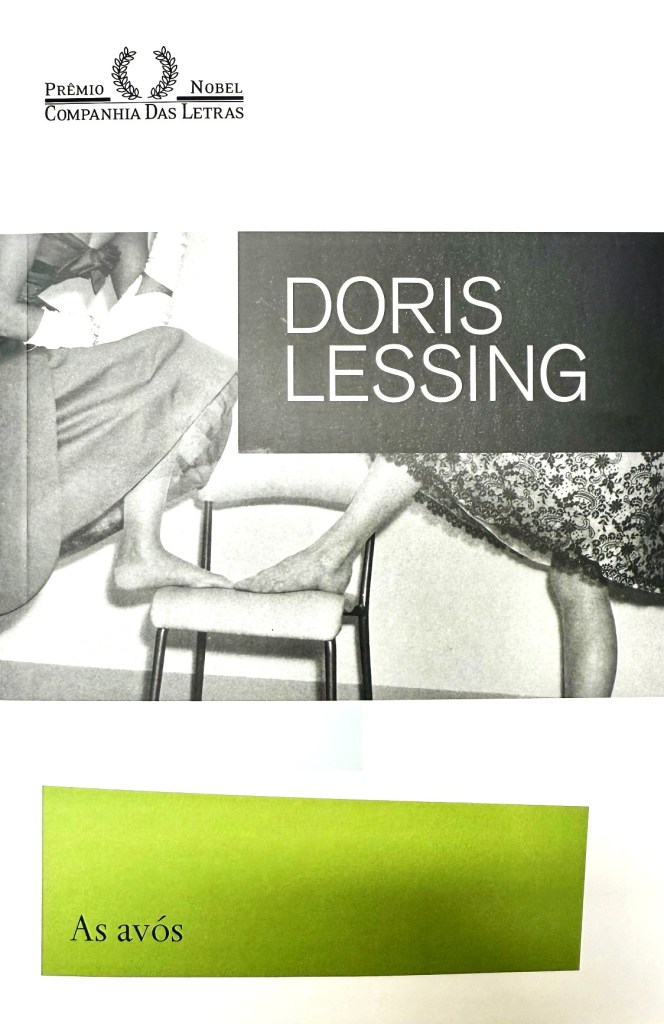
Title of the Work: The Grandmothers
Author: Doris Lessing
Translator: Beth Viana
Publisher: Companhia das Letras

 Estante do Justo