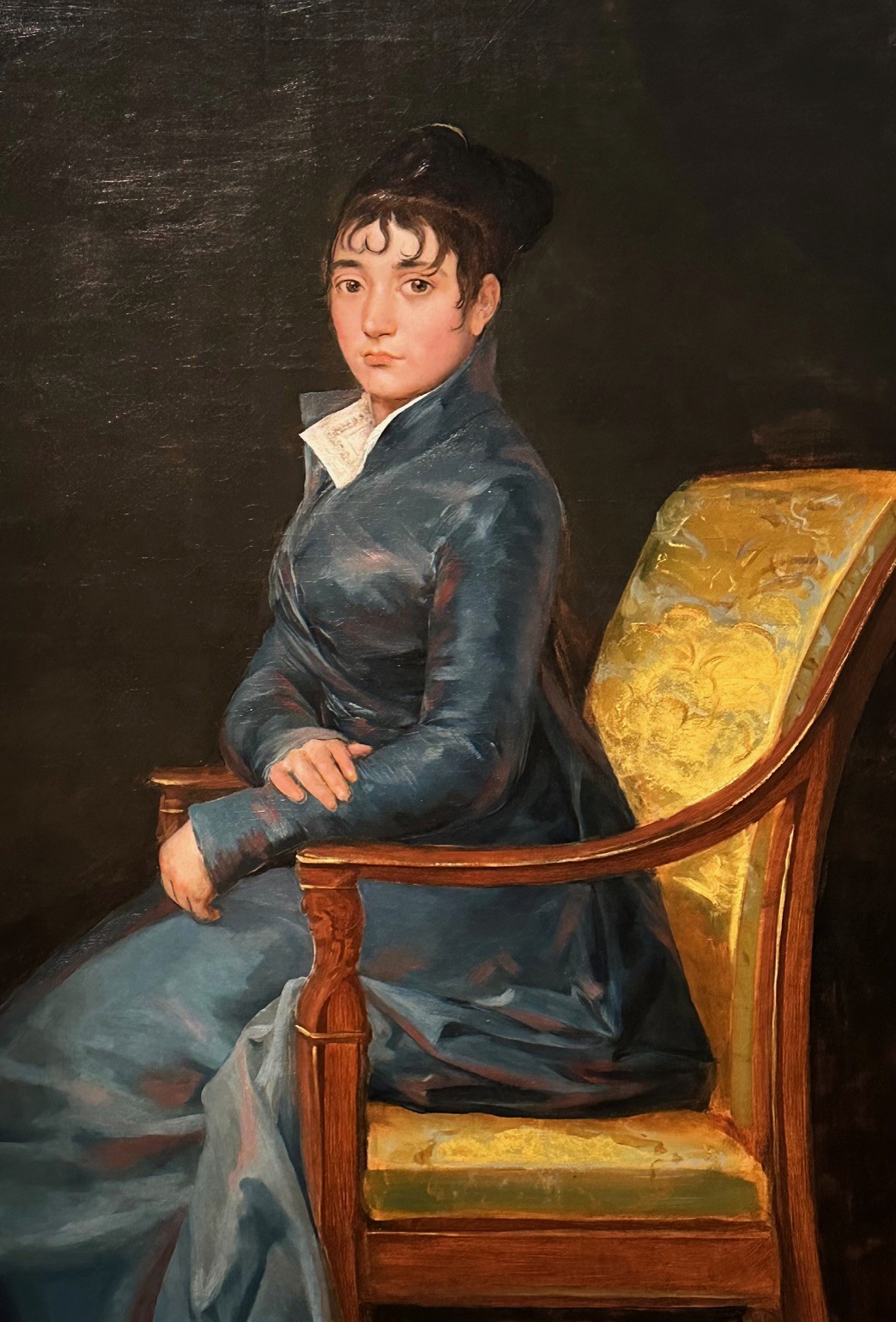
“UMA MÃE” é um dos contos de James Joyce (Dublin, 1882 – Zurique, 1941) que faz parte de “DUBLINENSES”. Fala sobre um episódio ocorrido durante uma série de concertos promovidos pela Sociedade Eire Abu, no início dos anos 1900. A Eire Ebu (nome gaélico) era uma entidade dublinense vinculada à promoção da cultura irlandesa, dentro da tradição celta. Estes elementos fazem o “pano de fundo” para mencionar o movimento denominado “renascimento irlandês”, implicado nas ações de afirmação nacionalista em oposição à supremacia inglesa.
No enredo a senhora Kearney consegue que a filha seja contratada (com boa remuneração) como pianista para acompanhar cantores nos recitais que estariam em cartaz por alguns dias. A mãe tinha sido educada para viver em melhores condições sociais e financeiras do que realmente vivia e, junto ao marido mais idoso e menos polido, preparou as filhas para que alcançassem o que não lhe fora possível. Uma delas é Kathleen, a concertista estreante. Ela aprendera gaélico e comunicava-se formalmente com amigas nesta língua, quase morta, através de cartões de saudação. A importância disto reside na resistência à supressão da identidade irlandesa, assim como acontecia em outros países que estavam sob domínio inglês. No final do século XIX e início do XX estas questões convulsionavam a sociedade da Irlanda (ainda não dividida). No conto, tudo o que diz respeito às apresentações é marcado pela precariedade, uma espécie de espetáculos mambembes. A moça não recebe o dinheiro devido e a mãe, defendendo a filha e a própria dignidade, protesta com rigor, ainda que o resultado seja um fiasco. Em vários momentos parece estar em xeque sua condição de dama e o mérito para ser tratada como tal.
O autor chama a atenção para o fato do organizador mais proeminente, sr. Holohan, membro a Eire Abu, ser manco e bastante inábil para realizar as tarefas que assumira. A sra. Kearney faz grande parte do trabalho. Os outros artistas parecem membros malsucedidos ou pouco talentosos do cenário da arte musical. Enquanto “acontecimento” destinado à manifestação do orgulho nacional irlandês e de valorização daquilo que deveria legitimar a competência e brilhantismo dos dublinenses, este é marcado por deficiências e engodos, talvez consequência de despreparo dos atores com maior poder de decisão ou mesmo sabotado para que assim seja interpretado.
Um conto sofisticado pelo emprego engenhoso das metáforas. Elas permeiam um modo de narrar em que nunca comprometem a fluência do texto, poderiam ser chamadas de crípticas.
Título da Obra: UMA MÃE (contida no livro DUBLINENSES)
Autor: JAMES JOYCE
Tradutor: CAETANO W. GALINDO
Editora: PENGUIN/COMPANHIA
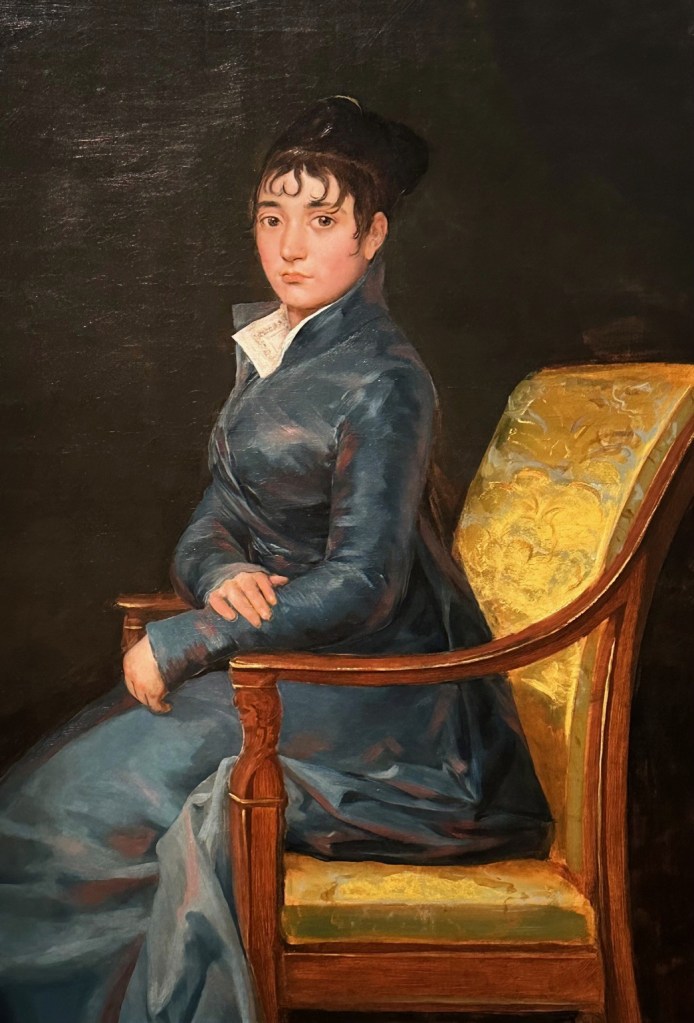
Na ilustração: foto de obra de Francisco de Goya y Lucientes (Espanha, 1746 – França, 1828)
A MOTHER
A Mother is one of James Joyce’s (Dublin, 1882 – Zurich, 1941) short stories included in Dubliners. It recounts an episode that takes place during a series of concerts organized by the Eire Abu Society in the early 1900s. Eire Abu (a Gaelic name) was a Dublin association dedicated to promoting Irish culture within the Celtic tradition. These elements form the backdrop against which Joyce evokes the movement known as the Irish Revival, a current of nationalist affirmation that opposed English supremacy.
In the story, Mrs. Kearney secures for her daughter a well-paid position as pianist, accompanying singers during several nights of recitals. The mother, raised to expect a higher social and financial standing than she ultimately attained, channels her frustrated ambitions into the daughters she has prepared — alongside a dull, aging husband — to reach the refinement and success denied to her. One of them, Kathleen, is the debuting concert pianist. She has learned Gaelic and exchanges formal greeting cards in the almost-dead language with her friends. This detail bears symbolic weight: it signals resistance against the suppression of Irish identity, a struggle echoed in other countries under English rule. At the turn of the twentieth century, these issues agitated Ireland (still undivided at the time).
In the story, everything related to the concert series is marked by a certain shabbiness — a faintly makeshift atmosphere. The events resemble itinerant performances, awkwardly assembled and poorly managed. When Kathleen’s payment is withheld, her mother, defending both her daughter’s dignity and her own, confronts the organizers with unbending insistence — only to end in public humiliation. Throughout the tale, the woman’s status as a “lady,” and the social legitimacy she claims, are placed in question.
Joyce draws attention to the fact that the most prominent organizer, Mr. Holohan, a member of the Eire Abu Society, is lame and notably inept in his duties. Much of the practical work is left to Mrs. Kearney herself. The other performers appear as second-rate or unsuccessful figures within Dublin’s musical world. What should have been a celebration of national pride and of the artistic excellence of the Irish people turns into a display of mediocrity and disorder — the result, perhaps, of mismanagement by those in authority, or even of deliberate sabotage.
This is a sophisticated story, rich in subtle, tightly woven metaphors that permeate the narrative without impeding its flow. They may even be called cryptic, so seamlessly do they serve Joyce’s irony and depth of vision.
Title of the Work: A Mother (included in Dubliners)
Author: James Joyce
Translator: Caetano W. Galindo
Publisher: Penguin / Companhia das Letras
(Illustration: detail from a work by Francisco de Goya y Lucientes, Spain, 1746 – France, 1828.)

 Estante do Justo